Pragmatic Play introduced win caps on certain slot titles a few years ago. You play, win big, hit a ceiling, and the machine stops paying you more. The reasoning, according to the operator, is risk management. The reasoning, according to behavioral economics, is much more interesting. Let us walk through what the data tells us.
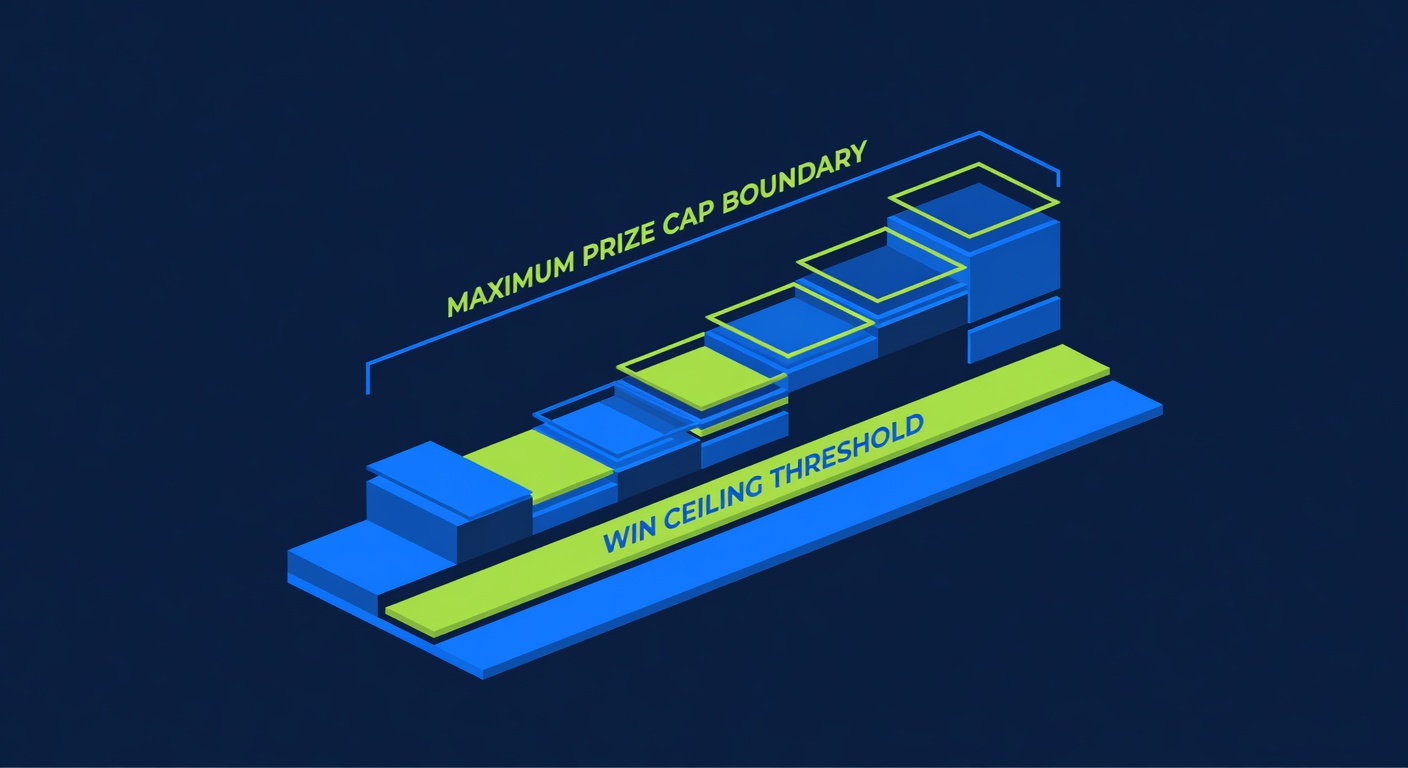
From the casino's perspective, a max win cap is volatility control
From the casino's perspective, a max win cap is volatility control. Traditional slots have theoretical maximum wins that are enormous (an ultra-high variance game might hit a 5000x multiplier on a 1-unit bet). This happens rarely, but when it happens, the player gets paid a six-figure sum and the casino takes a reputational and capital hit. A max win cap of, say, 500x converts an outlier tail risk into a manageable loss. The operator still has the expected value; they just truncate the distribution. They give up a few megawinners per million spins in exchange for peace of mind on their balance sheet and fewer headline stories about "man wins 2 million on roulette". This is rational risk management.
From the player's perspective, something more interesting happens. In Tversky and Kahneman's prospect theory, players assign disproportionate weight to unlikely high-outcome events. A 0.00001 probability of winning 5000x is part of why people play high-variance games; they are buying a ticket to a scenario they cannot otherwise afford. A player's expected value does not change much if the max win drops from 5000x to 500x (both are unlikely), but the fantasy does. You are no longer playing for life-changing money; you are playing for substantial-but-normal money. The house edge stays roughly the same, but the appeal shifts.
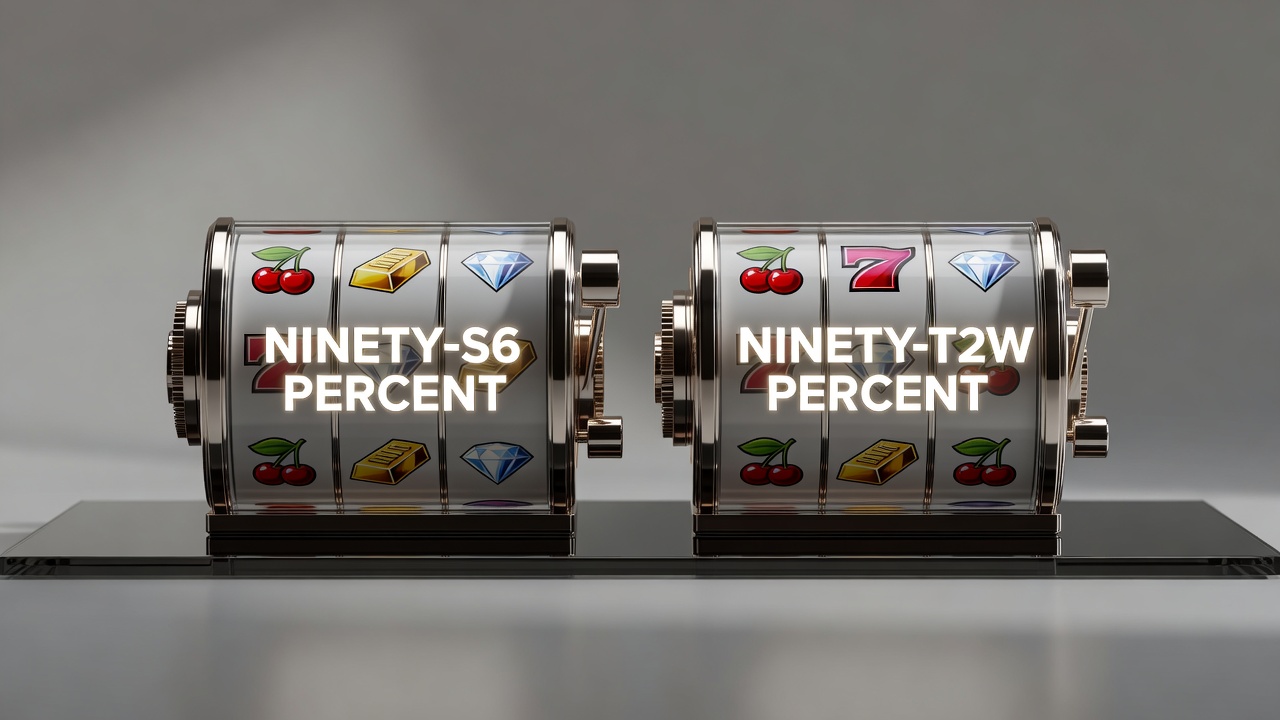
Here is where it gets psychological. Behavioral research shows that people tolerate higher house edges on games with bigger top-end payouts. A 96 percent RTP slot with a 5000x max hit is more popular than a 96.5 percent RTP slot with a 200x max hit, even though the second one has better mathematical value. Players are not calculating expected value; they are weight-matching odds to fantasy. By capping wins, Pragmatic Play solved an internal business problem (tail risk) and created a player perception problem (the fantasy got smaller). The company then responded by raising RTPs slightly on capped games, trying to make the math more competitive. But the math is not why people play.
What does this tell us? That gambling psychology is not primarily about odds. It is about the story the game tells you. A game that can pay you fifty times your bet is more psychologically stimulating than a game that can pay you ten times your bet, even if the math is similar. Players are paying for the right to imagine a scenario. The moment you cap that scenario, you need to sweeten another dimension (RTP, frequency of wins, cosmetics) to keep them engaged. Otherwise they drift to games with bigger fantasy attached.
For the player: a max win cap means the game is designed for steadier, safer returns. You are less likely to have a ruinous session. You are also less likely to have a transformative one. Know which one you are seeking before you sit down.