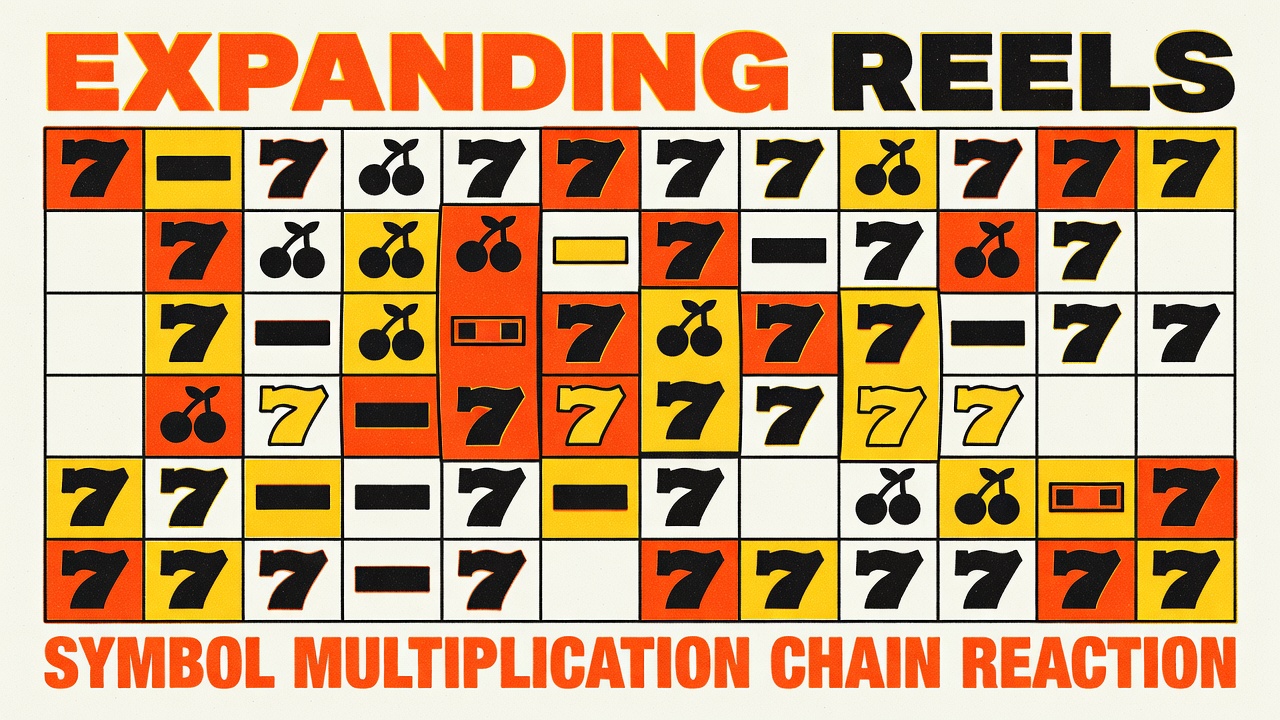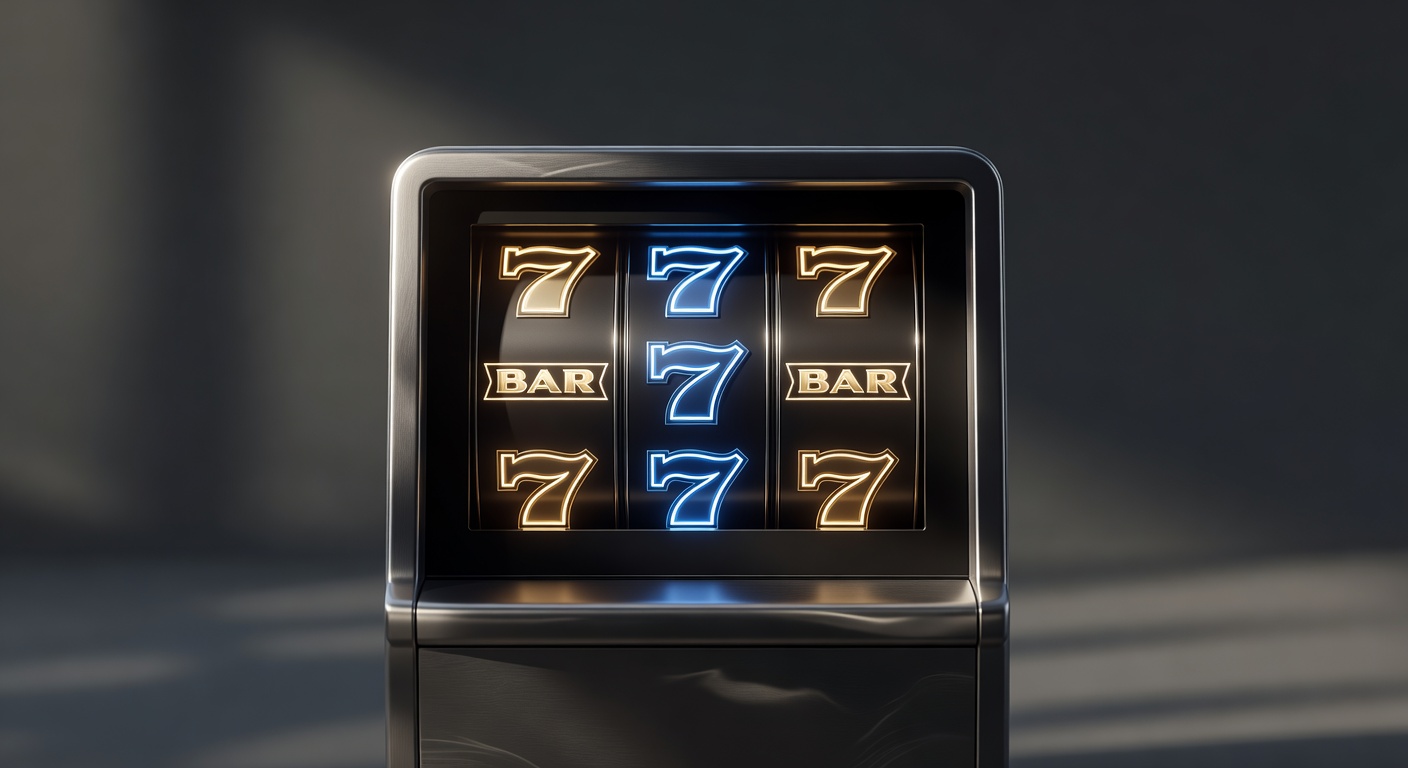
So I'm watching a woman play a machine at the Borgata, right. Three cherries, three bars, three sevens. That's the payoff. But the game shows you all three reels. First spin: cherry, bar, bar. She almost had it. Actually, you know what, she got two bars lined up. The third bar was right next to the other two bars. She didn't hit it, but the visual was there.
Second spin: bar, bar, cherry. Same thing. Two bars, then a cherry. So close. I'm watching her face. She's nodding. Not frustrated. Just focused. She's going to play again.
Third spin, she gets something completely different. No match. But by now she's played seventy spins and won twice (small wins, below her bet size). She got up and left. But she wasn't leaving because she wanted to. She was leaving because she ran out of money. The slots got her not by the hits. By the near-misses.
How Near-Misses Work
Near-miss is when you almost win. Two matching symbols line up. A third symbol appears adjacent. The brain registers this as "close." Psychologically, close feels rewarding even though it's not. The brain releases a little dopamine just for the attempt.
Slot designers engineered this. The symbols are larger than they need to be. The reels spin dramatically. When two symbols align, the reel slows down before the final symbol lands. This is theatrics. It's designed to build anticipation. When the final symbol misses by one position, you feel robbed.
The payout is the same whether the miss is by one position or ten. But the psychology is different. A miss by one feels unfair. A miss by ten feels unlucky. The emotional response drives the replay decision.
The Neurochemistry
Dopamine release in gambling isn't about winning. It's about uncertainty. The anticipation of a possible win releases dopamine. The resolution (win or lose) adjusts the dopamine level. A near-miss keeps uncertainty high because you almost had it. You could have almost had it again on the next spin. The dopamine stays elevated.
This is why slot players report trancelike states. They're not bored. They're in a dopamine loop. Near-miss, near-miss, hit (small), near-miss, near-miss, hit (small). The pattern trains the brain to keep playing.
The Design Mechanic
Slot machines are programmed with algorithms that increase near-miss frequency in certain conditions. When a player has been losing, the RNG (random number generator) weights toward near-misses. The math is simple: a losing player with a few near-misses will play longer than a losing player with nothing close.
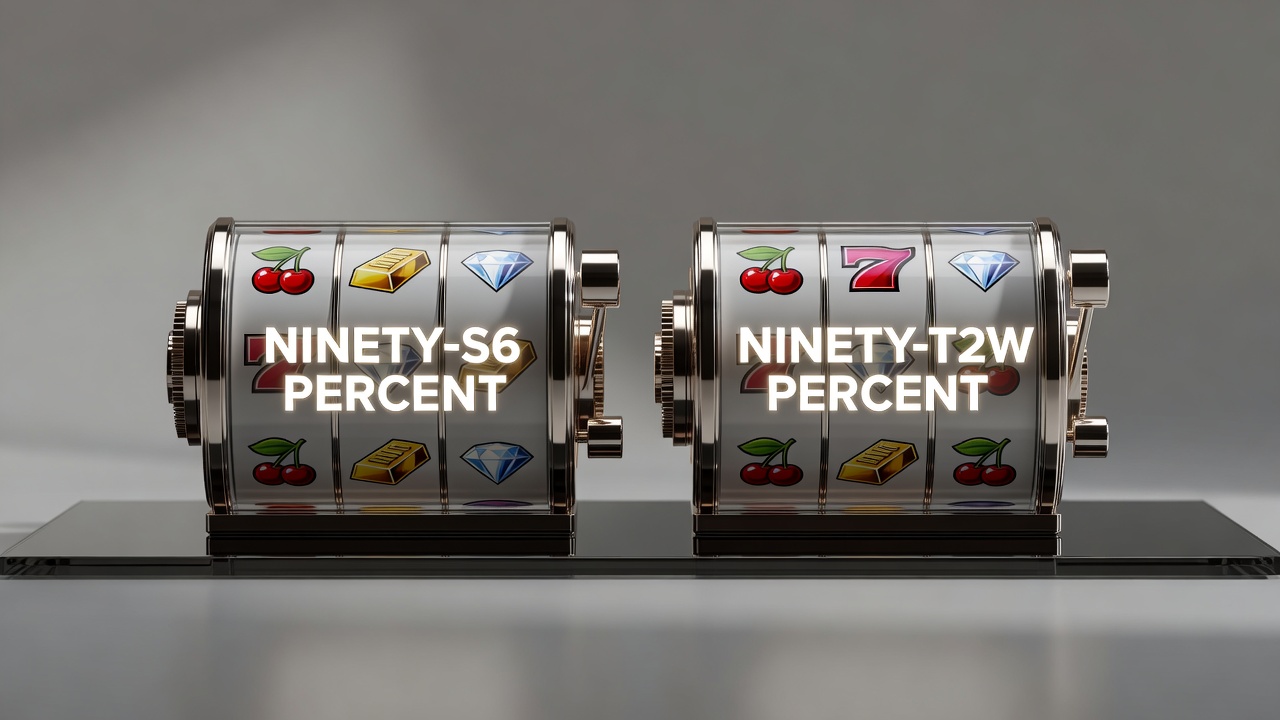
This is legal under most regulatory frameworks. The UKGC and MGA permit it because it doesn't change the overall RTP. The payout is still 96 percent in the long run. The distribution of that payout just includes more near-misses when you're cold.
Why It Works
We're terrible at probability. We see a near-miss and think it means the next spin is more likely to hit. It's not. Each spin is independent. But the feeling of almost winning is stronger than the logical knowledge of independence. We play the feeling.
Casinos exploit this by making near-misses visible. They could show every outcome as just a number ("result: loss"). Instead, they show you symbols lining up almost perfectly. This is not an accident. This is the entire design.
The Woman at the Bar
She came back two days later. I was there again. She played the same amount. Same near-misses. Same focused face. I asked her why she kept playing. She said, "I know the next one is coming." She meant she felt it. Not that the odds had changed. She just felt like the next spin would hit.
It never did. She came back a week later with less money and more determination. That was the last time I saw her at that bar. The slot had beaten her not by the house edge. By the psychology of almost winning.