The Reel Slot
Three reels. Thirty symbols. You hit the button or pull the handle. The reels spin and stop on a result. Instantly you know if you won or lost. Mechanical clarity.
Reel slots have a defined cycle. You spin. You wait through the animation. You get a result. You spin again. The tempo is fixed by the mechanic.
The paylines are usually fixed. Seven to nine standard reel slots have three paylines. Middle, top, bottom. Cherry on the middle line pays 2x. Matching symbols across all three positions pay 5x or 7x or 100x depending on the symbol.
The Grid Slot
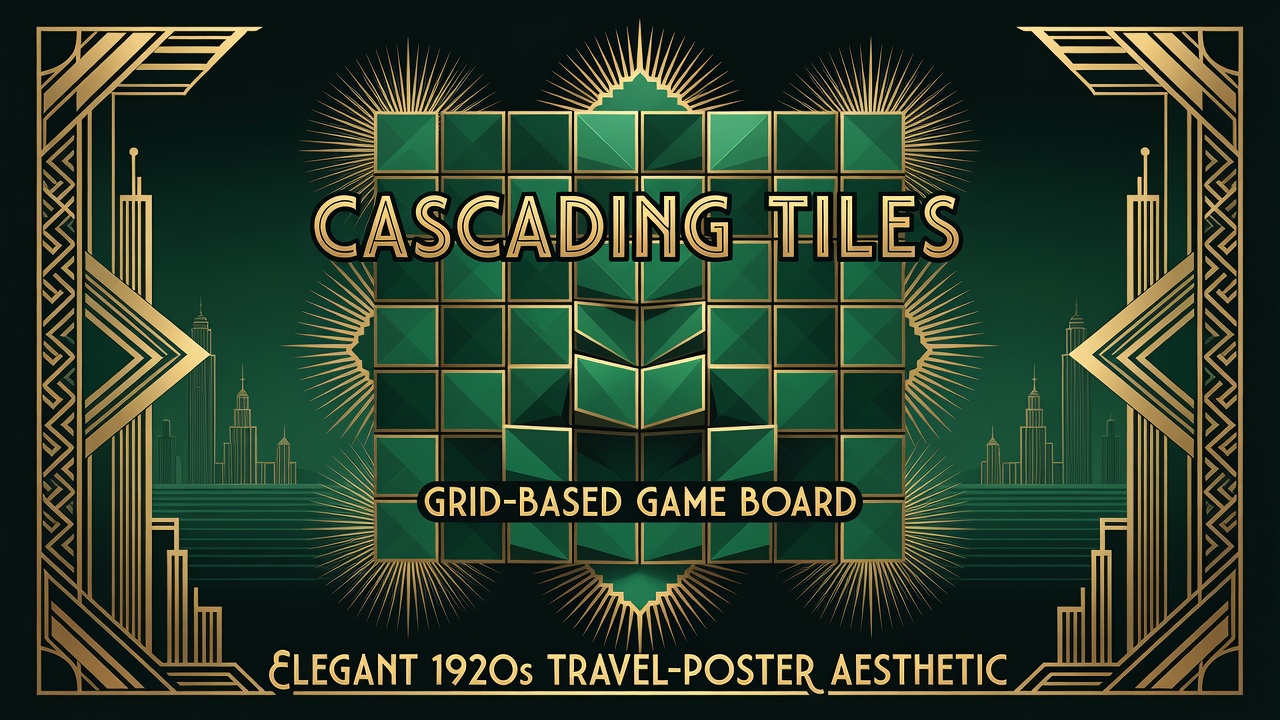
Grid slots took the video game structure and applied it to slots. Instead of three reels, you have a 5x5 grid, or a 3x4 grid, or some other configuration. Instead of paylines, you have win conditions. Matching symbols adjacent to each other (touching, usually) trigger a win.
When you win, the winning symbols often disappear and the grid collapses or shifts, creating a cascade. New symbols drop in. If the new symbols match, you get another win without another spin. This is called a "tumble" or a "cascade."
A single spin on a grid slot can produce multiple wins. The spin lasts longer because of the cascades. The outcomes are more variable.
The Practical Difference
Reel slot at $1 per spin: you put in $1, you get back 0-500 typically over many spins, with an expected return of $0.96 (4% house edge). The variance is moderate. You can lose 20 straight spins and feel like you're playing, or you can hit and get back to even quickly.
Grid slot at $1 per spin: you put in $1, the cascade system can produce multiple wins from one spin. The variance is higher. You can hit a cascade that pays 20x. You can also spin 30 times and hit nothing.
The grid system creates longer play sessions per wager. One spin can take 10 seconds or 30 seconds depending on cascades. The cascade is exciting the first few times. After 200 spins, it's just prolonging the loss.
The Payout Structure
Grid slots often have the same or slightly worse RTP than reel slots because the excitement of cascades is worth something to the player. A 94% RTP grid slot with high volatility feels better than a 96% RTP reel slot with low volatility, until you sit down and actually play it.
Win frequency varies wildly. Some grid slots hit 35% of the time. Some hit 8% of the time. The hit that comes from a cascade doesn't feel the same as a hit that comes directly from the spin.
The Design Intent
Grid slots exist because they create engagement. The cascade mechanic is inherently more engaging than the simple reel stop. You feel like something is happening even if you're not winning overall.
From a casino perspective, grid slots keep players seated longer. One spin per minute on a reel slot is typical. One spin per 90 seconds on a grid slot is more common because of cascades. Longer seated time, slower money burn, higher satisfaction reported (even though actual results are the same or worse).
The grid slots aren't better or worse. They're designed for a different experience. If you like the engagement and the variance, play them. If you like predictability and simplicity, stick to reels.