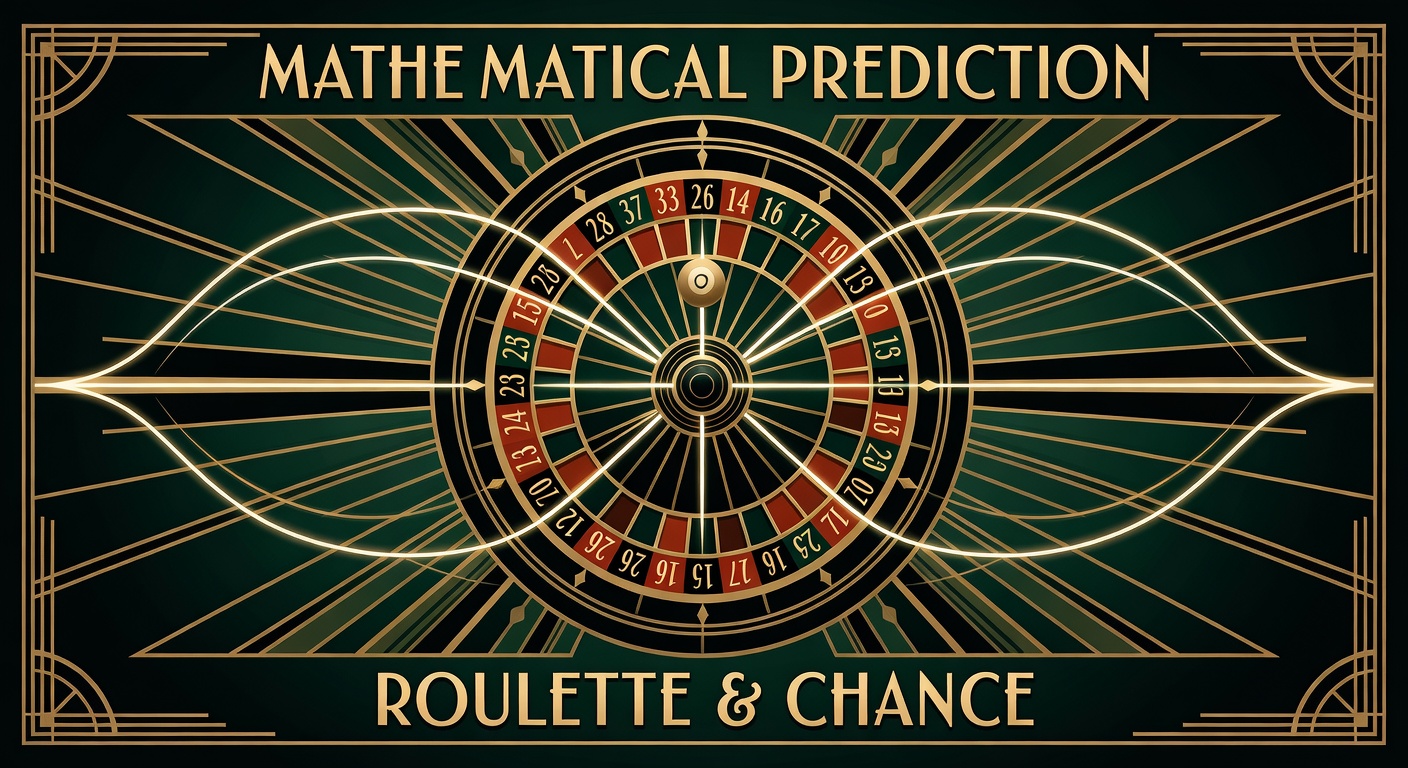
The roulette wheel at the Grand Palais in Monte Carlo is a specific object with specific properties: 37 pockets, specific dimensions, specific friction coefficients. If the wheel could be biased, and if a player could measure that bias with sufficient precision, the wheel could theoretically be beaten. This was true in the 1970s when physical measurements were made by skilled researchers. A wheel with slightly worn pockets can develop preferences. A wheel with uneven leveling can favor certain numbers.
Live casino wheels are now regularly maintained and regularly tested for bias
Live casino wheels are now regularly maintained and regularly tested for bias. Casino staff use laser levels and precision balancing equipment. Biased wheels are replaced. The probability that a player will observe and exploit a wheel bias before the casino does is approximately zero in 2025.
But the belief persists. Some players track spins and look for patterns. They collect data on 500 spins, compute the frequency distribution, and notice that 17 came up 18 times instead of the expected 13-14 times. Variance. With enough data collection, you will notice deviations from the mean; this is how statistics work. But 500 spins is not enough spins to distinguish signal (actual bias) from noise (normal variance). You need thousands of spins. You need to collect this data in a way that is blind to your own expectations (confirmation bias is a powerful distractor). And you need to start betting and accruing losses while you collect data, which adds real cost to your testing process.
Several studies have examined whether players believe they can beat roulette and whether that belief predicts problem-gambling behavior. The research is consistent: players who believe in roulette "systems" have higher rates of chasing losses and higher rates of meeting diagnostic criteria for gambling disorder. The belief itself is not neutral; it is associated with poorer decision-making and higher losses. This is the near-miss effect at work: the player gets close to hitting on a system (a few wins, some matching patterns) and this near-miss activates the reward circuitry in the brain more intensely than either consistent success or consistent failure would. The player escalates, chases, and loses more money than players who have no system belief.
The honest answer: you cannot beat live roulette. The wheel is fair, the house edge is 2.7 percent on European wheels and 5.26 percent on American wheels, and this edge is not exploitable. The energy you might spend on system development is better spent on accepting this fact and choosing a game where your play actually impacts the outcome (blackjack, poker), or choosing an entertainment level and gambling amount that you can afford to lose.
Players often respond to this information with: "But what if I just track until I find the bias?" The answer is that you will spend thousands of dollars tracking and find nothing because there is nothing to find. The opportunity cost of waiting for a bias that does not exist is real money spent on a zero-probability event. This is not skepticism; this is basic expected value.