It is the 2:30 on a Tuesday and I am watching a 62-year-old woman at the Slots at the Luxor pull the Guns N' Roses machine. She has no interest in guns or rock. She has interest in the fact that she knows these songs. The machine plays a riff. She pulls the lever. She recognizes the music. The game feels less like gambling and more like engagement with something she understands.
This is the design logic behind music-themed slots
This is the design logic behind music-themed slots. Pragmatic Play, IGT, and Everi license major artists (or the estates of dead artists, which is cheaper and less complicated). They build a slot game around the band's music and iconography. The game looks like a concert. The symbols are the band members. The bonus rounds have the hit songs. A player who loves the Beatles feels like they are playing Beatles music while gambling, not just gambling with Beatles wallpaper.
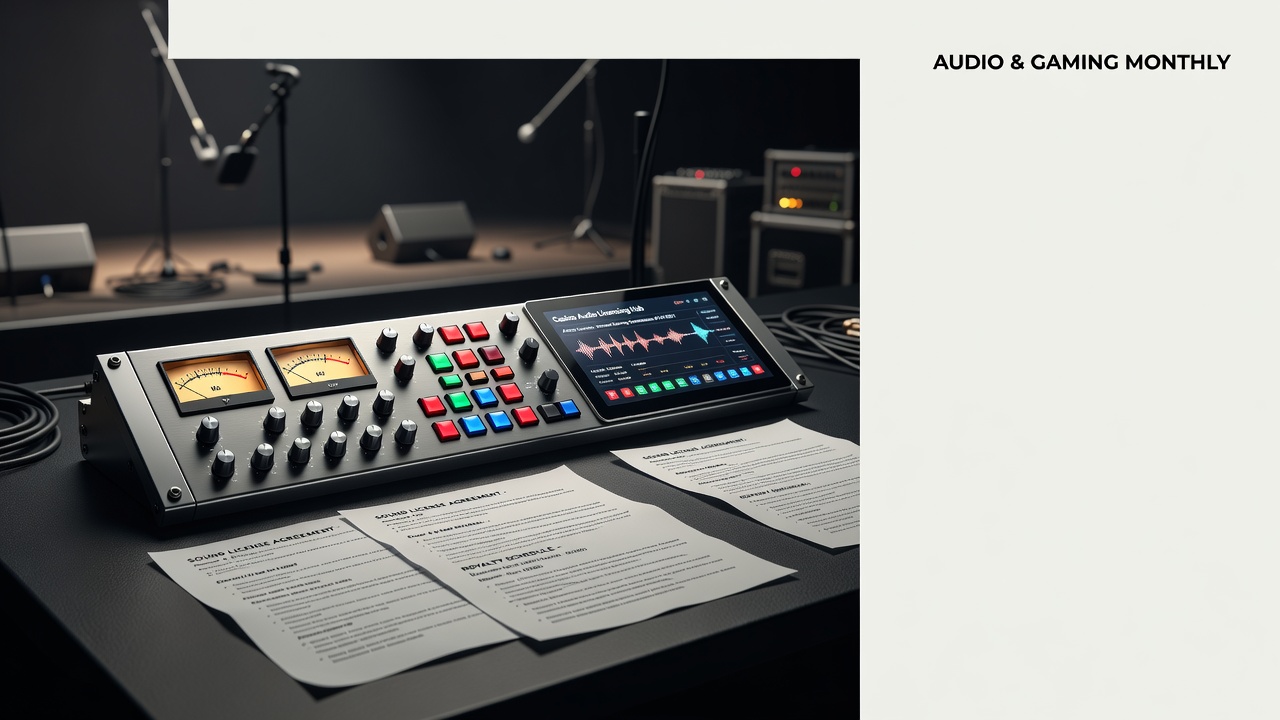
The songs are real songs. The band names are real brand names. The art is licensed. This is expensive. A Slots game with a music license costs more to develop than a non-branded game. The studio must pay the royalties, the publishing fees, and sometimes royalties per spin if the contract requires it. But the licensing is worth the cost because music-branded games have higher player engagement than generic games.
The metrics are clear. A Hendrix slot has higher average play time per player than a non-branded slot. Players sit longer. They spin more. They lose more money. The higher engagement is not because the odds are different; it is because the experience feels richer. Music is context. Context is engagement.
The license also protects the estate. A Beatles slot brings royalties to the Beatles estate every time someone in America plays it. The family agreed to this deal because it is revenue with minimal work. As long as the game is legitimate and the royalties are paid accurately, the family benefits. The player thinks they are playing a fun experience. Everyone wins except the player's bankroll.
Here is where it gets uncomfortable. The slot game is not actually a concert experience. It is a random number generator with band iconography. The music plays on the same schedule whether you win or lose. The symbols spin regardless of what the song is doing. You can turn the sound off and play silently and the odds are identical. The music is not part of the game; it is part of the aesthetic. It feels better. It costs no money to add. It makes people stay longer and lose more.
Music licensing has made slots more popular with older players. Slots are more popular overall because the theme variety is now infinite. A player can find a slot based on any musician, any band, any era. The participation in slots has gone up. The loss rates have stayed the same. The total loss has gone up because more people are playing more often.