The Mechanical Problem
When you play blackjack in a physical casino, you can count your chips. The dealer busts, your chips move toward you. Physics is verification. Gravity is the regulator.
Online, there are no chips. There are only numbers on a screen. The number went down, then the number went up. Did it actually go up? Or did someone make the number go up without it actually going up? How would you know?
This is the core terror of online gambling and also the reason it exists: you cannot touch it. You cannot verify it by feeling it in your hand. Verification has to be done by machinery that reads what the other machinery did and reports back whether the behavior was honest.
The Layers
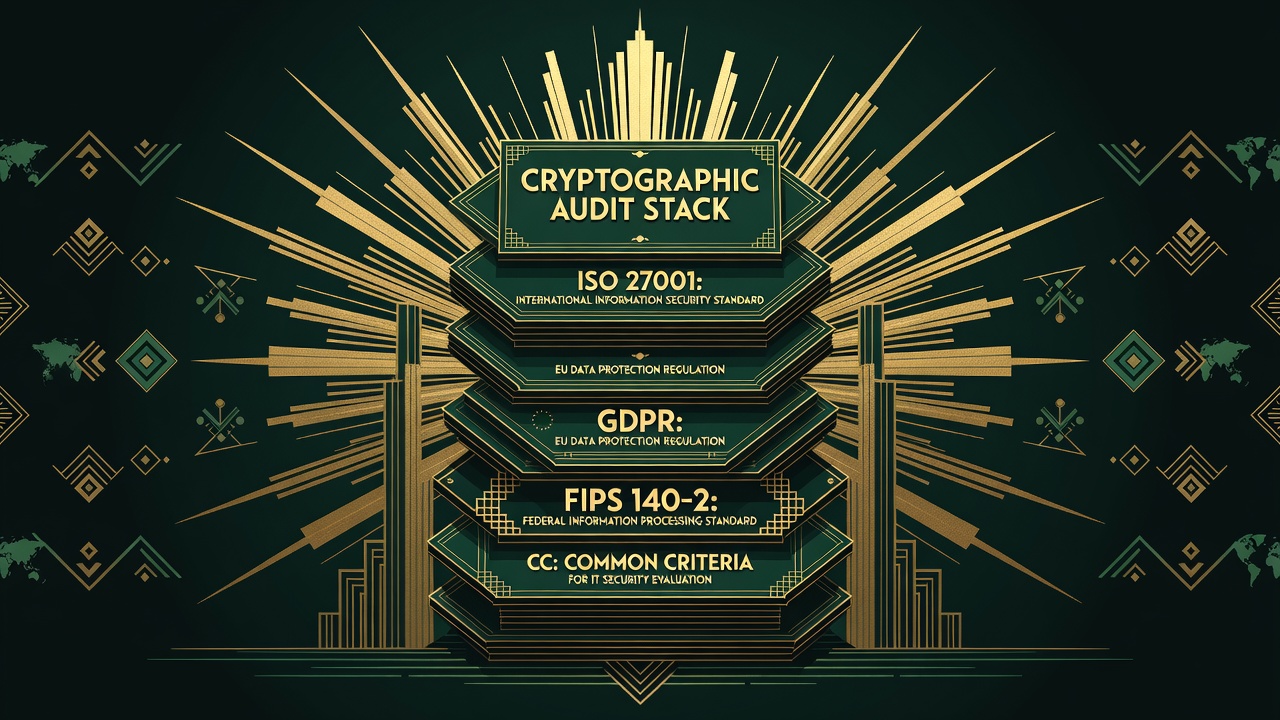
First layer is the software. The online casino runs software that produces random results, calculates payouts based on those results, and updates your account balance. The software is written by humans. Humans are corruptible. So the software gets audited by companies that specifically audit software for randomness and fairness.
Second layer is the third-party certifier. Testing labs like GLI (Gaming Labs International), eCOGRA, BMM Testlabs. These companies don't run the casino. They test the software under controlled conditions. They run simulations. They check the random number generator. They verify that the payout percentages match what the casino claims. They do this annually, sometimes twice yearly.
Third layer is the regulator. If the casino is licensed in Malta (MGA), the Maltese Gaming Authority oversees that the casino maintains compliance with the testing lab results and doesn't deviate from what was certified. If it's licensed in Curaçao, the eGaming division handles it, which is considerably more hands-off. If it's in the UK, UKGC has teeth and uses them.
The Technical Reality
The random number generator is where most of the verification happens. A good RNG produces numbers that pass statistical tests for randomness. These numbers drive the game outcomes. If the RNG is truly random, and if the payout calculations are transparent, then the game is mathematically honest.
But here's the problem: an RNG that is truly random and truly unbiased can still be audited. But it can also be seeded. A seeded RNG produces a sequence that looks random but is actually deterministic. If you know the seed, you can predict the next thousand outcomes. This is why verification labs run seed tests. They verify that the seed is inaccessible to anyone but the RNG itself and that the seed changes appropriately.
How It Actually Gets Verified
The testing lab requests access to the casino's system. They run their own simulations on the live software. They play thousands of hands, sometimes millions. They record the outcomes. They run statistical tests on those outcomes to verify that the win rate matches the claimed return-to-player percentage.
They check the source code of the game logic. They verify that when you hit 21, you actually hit 21 and not some corrupted calculation that says you hit 18. They check for exploit vectors.
They verify that the payout calculation is transparent and matches what the player expects. If the casino says blackjack pays 3-to-2, they verify that every blackjack dealt actually pays 3-to-2 and not some percentage-based degradation.
The Trust Problem
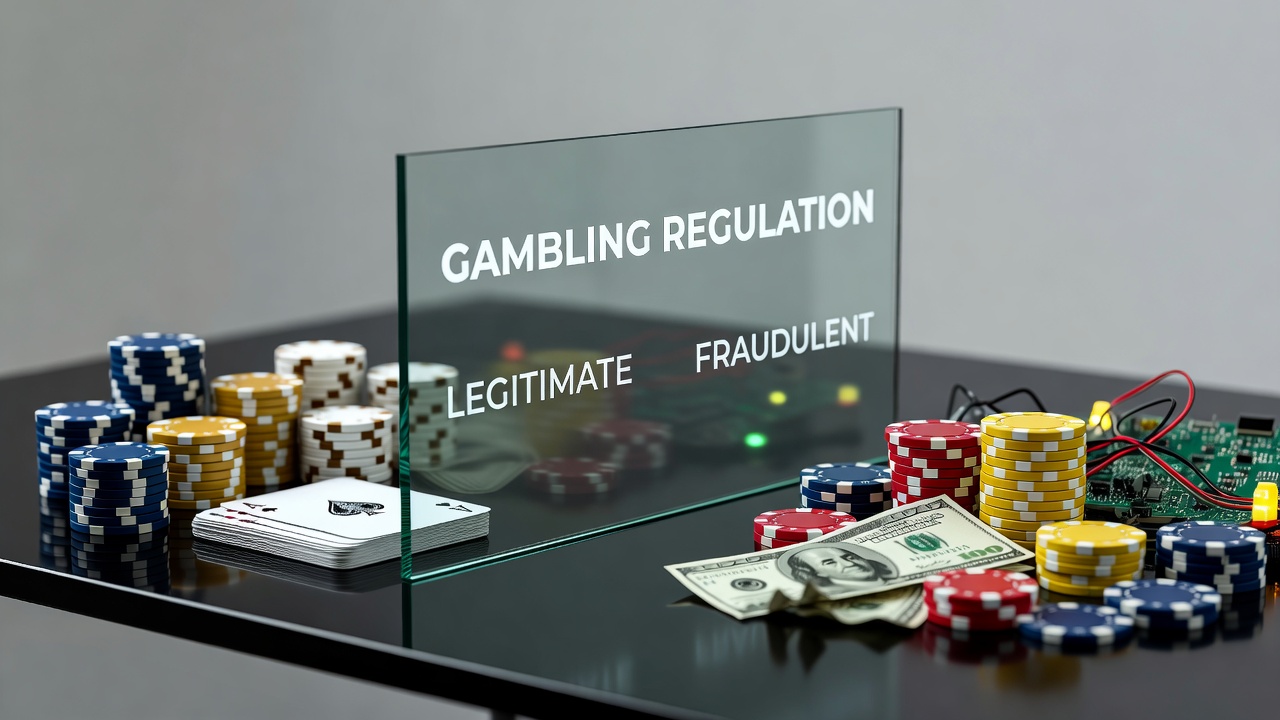
All of this verification only works if you trust three separate entities: the testing lab, the regulator, and the casino itself. The casino has strong incentive to cheat because cheating is profitable. The testing lab has incentive to overlook issues because casinos pay them for certification. The regulator has incentive to maintain their licensing system even if it's compromised because regulators exist to regulate.
In practice, there have been cases where all three layers have failed. Rogue casinos. Bought regulators. Testing labs that certified obviously rigged software.
But the infrastructure, when it functions, is solid. The combination of transparent source code, mathematical verification, and regulatory oversight creates enough friction that cheating is riskier than honest operation. Not impossible. Risky.
What you're actually verifying when you check if a casino is licensed is not that the casino will never cheat. You're verifying that if they cheat, they have something to lose.