01 · Featured
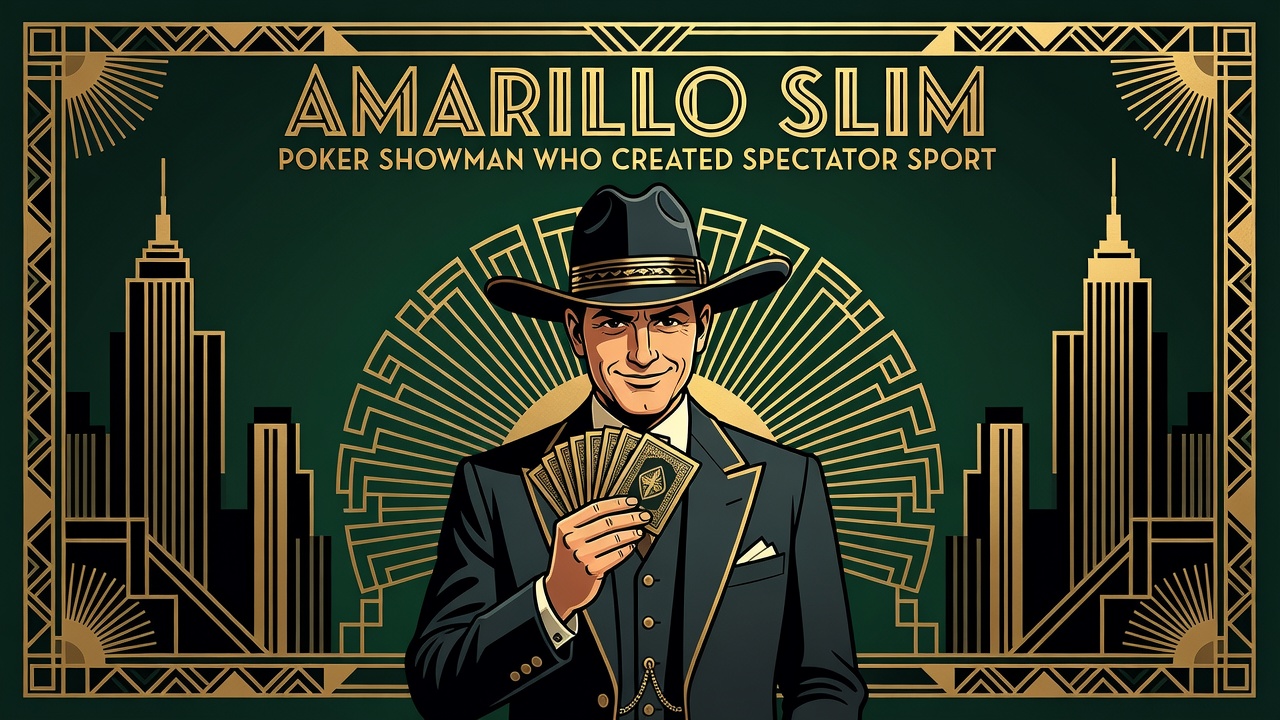
Amarillo Slim: The Cowboy Who Made Poker a Spectator Sport
Thomas Preston, known as Amarillo Slim, moved through poker rooms from the 1950s onward. He treated the game as a stage.
Jul 28, 2026Aisha Khan

The actors, athletes, musicians, and characters whose gambling lives became their own kind of legend. Some won quietly. Most did not.
Thomas Preston, known as Amarillo Slim, moved through poker rooms from the 1950s onward. He treated the game as a stage.
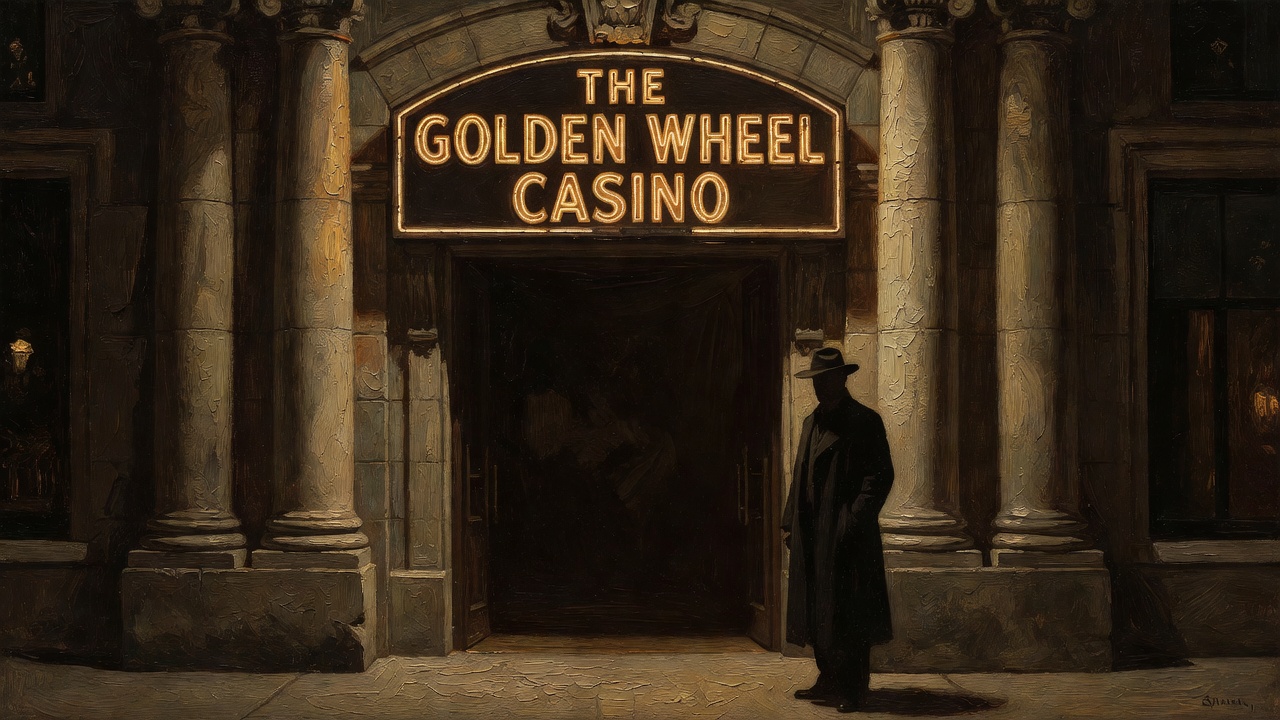
Dean Martin walked into a casino like he owned it. The casinos wanted him to. Controlled risk is a security model.
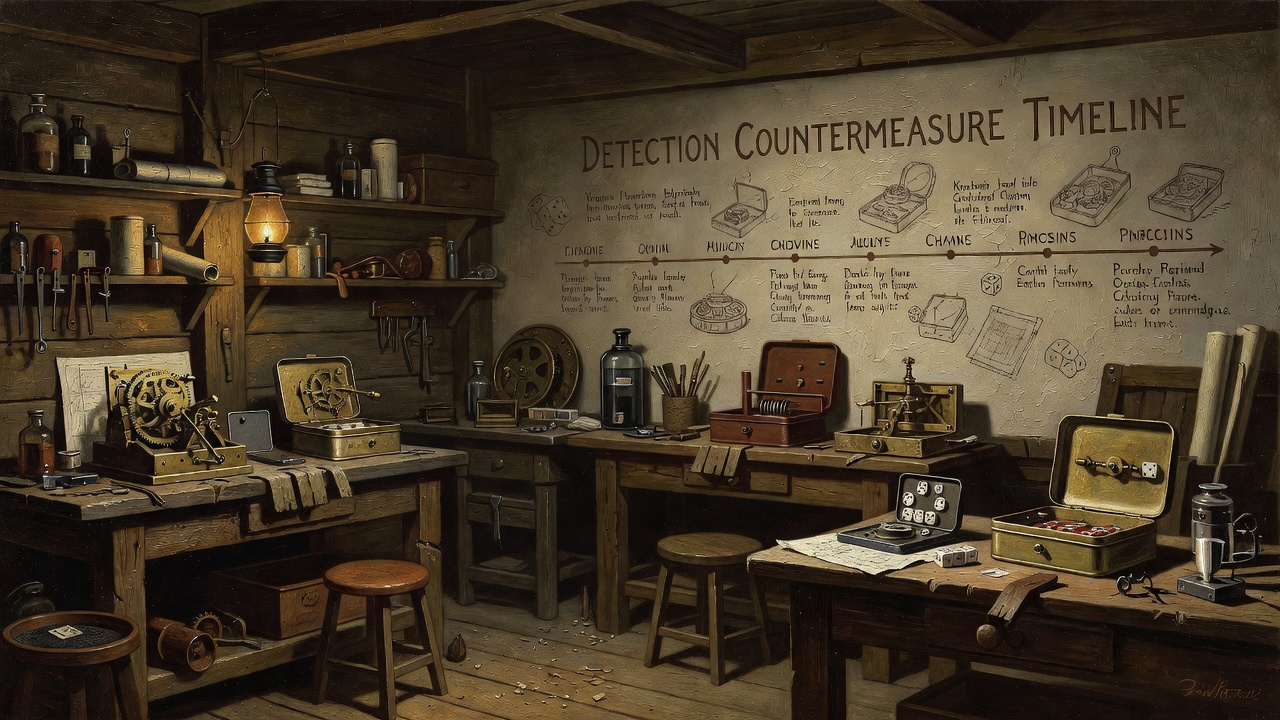
A man from Louisiana figured out how to talk to slot machines. The casinos spent decades trying to shut him up.

Two famous people with public disagreements about cryptocurrency, casinos, and the math of wagering. The architecture of their conflict reveals how culture shapes gambling decisions.
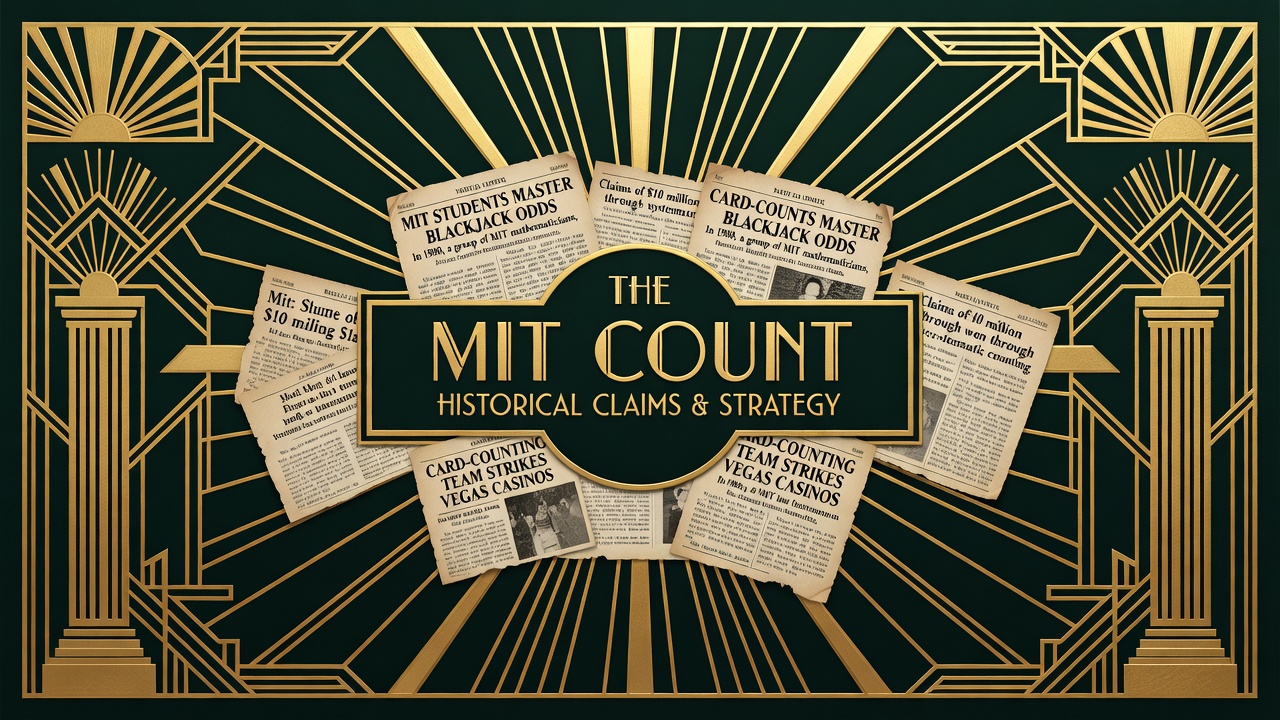
Ben Mezrich's 2002 book told the story of MIT students card-counting blackjack. It was a bestseller. The actual story was more complicated and less profitable than the book suggested.
Antanas Guokas, known as Tony G, brought European aggression to American poker. His trash talk became legendary. He also demonstrated the psychological cost of that kind of play.

Daniel Negreanu is a poker professional with six World Series of Poker bracelets. His career represents a specific era when poker skill could be monetized at high levels. The math of his success is instructive.

Poker After Dark aired 1,000 episodes on NBC between 2007 and 2012. It documented poker as a profession. Some hands became legendary. Here is what they reveal about the game and the people who play it.