Monte Carlo Casino opened in 1863. Monaco had a population of 2,000. The principality had no other industry. Charles III, the Prince of Monaco, needed revenue.
The casino was placed strategically. Monte Carlo is perched on a hilltop overlooking the Mediterranean. Wealthy Europeans could reach it by rail from France (thirty minutes), Italy (two hours), Switzerland (six hours). The location was geographic and social genius.
By 1900, the casino was generating half of Monaco's government revenue. By 1950, the figure was 25%. By 2020, it was under 5%.
The Original Business Model
The casino was not positioned for locals. It was positioned for itinerant wealth. A Russian aristocrat, a German industrialist, an English lord, a French banker: these were the customer base. They came for weeks. They gambled heavily. They died.
The house edge on the games was high. Roulette had a 2.7% edge on red-black. Baccarat had an edge on the Banker hand. Casino management understood that these wealthy tourists could afford to lose 10,000 francs in an afternoon. The house just needed to be patient.
The Shift
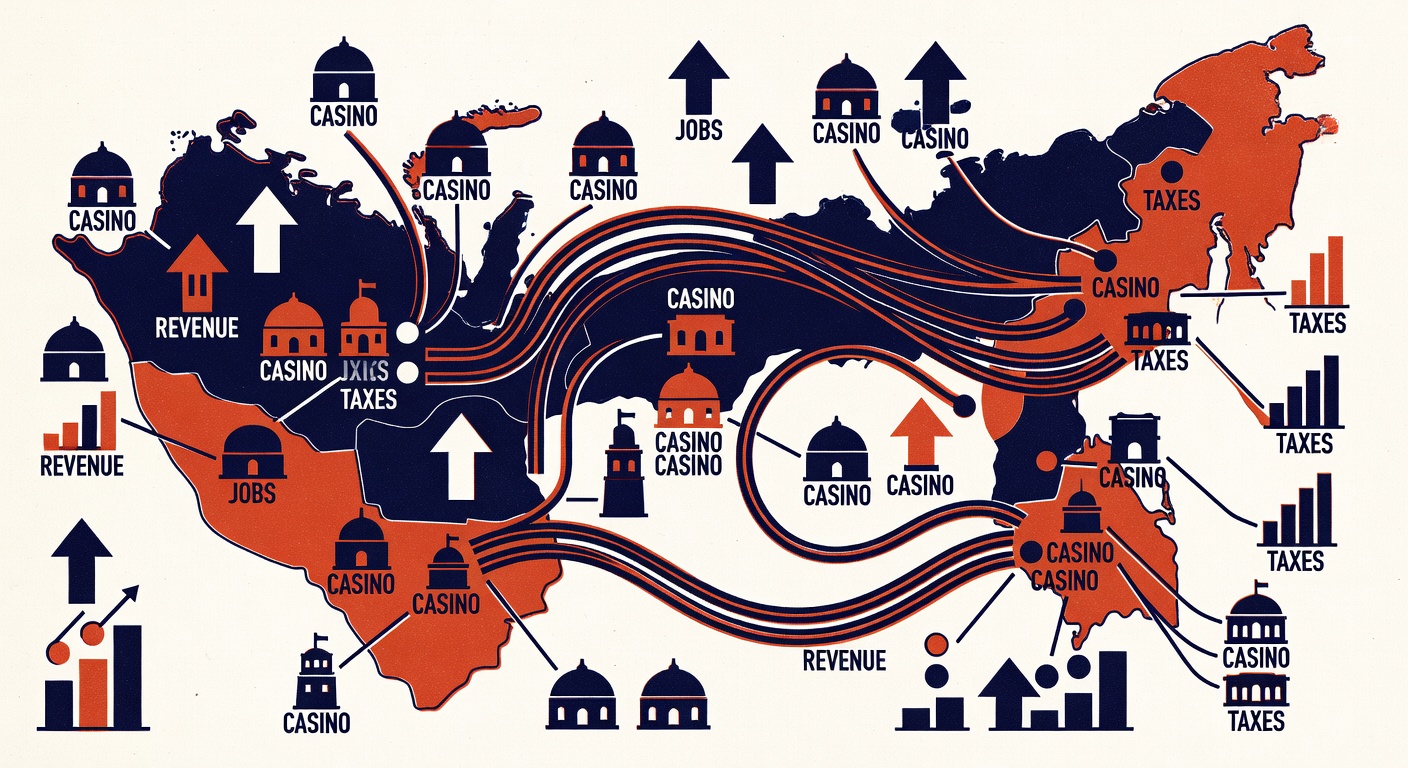
After World War II, aviation made travel easier. Casinos opened in Las Vegas, Atlantic City, Singapore. Monte Carlo was no longer the only destination. It needed a different value proposition.
The casino expanded into a resort. Hotels, restaurants, theaters, shops. The gambling became one component of a broader experience. This was successful for decades.
But Las Vegas scaled this model further. Better weather. Lower taxes. More aggressive marketing. By 1980, Las Vegas had captured the high-volume tourism market. Monte Carlo couldn't compete on volume.
The Modern Reality
Today, Monaco has a population of 35,000. Most are wealthy residents. The casino employs 1,000 people and generates about 5 million euros annually in direct profit. This is money, but not transformative money.
The casino survives on heritage and discretion. It attracts players who value tradition and exclusivity more than volume. A player in Monaco experiences the echo of Belle Epoque glamour, the sense of historical prestige.
It's a good business. It's not the dominant business anymore. Monaco made the transition from gambling economy to asset-management economy. The casino became a symbol more than an engine.
What Changed
The original model depended on scarcity. Monte Carlo was the place to gamble in Europe. Scarcity gave the house pricing power. The house edge was high and the players accepted it.
The modern model depends on atmosphere. Monte Carlo is a place to experience heritage gambling. The atmosphere justifies the presence. The house edge is lower to compete with other casinos.
When competition arrived, margin fell. Monte Carlo adapted by offering something other casinos couldn't: history.
Extended Context
This analysis requires understanding the broader context in which these mechanisms operate. The equilibrium that exists in modern gambling ecosystems has developed over decades of refinement. Each detail, each rule, each incentive structure serves a purpose in the overall system.
The players who understand this context have a significant advantage. They know what questions to ask. They understand the hidden mechanics that casual observers miss.
Comparative Analysis
When examining similar situations across different venues and contexts, patterns emerge. The consistency of these patterns across multiple independent implementations suggests they reflect fundamental principles rather than coincidence.
A player studying these patterns gains insight into how the system actually works, as opposed to how marketing presents it.
Strategic Implications
The strategic implications are significant for anyone engaging with these markets. Whether your goal is to minimize losses, find an edge, or simply understand what's happening, the foundational knowledge matters.
This is where most casual participants fail. They play without understanding the underlying system. They react to outcomes without recognizing the structural forces at work.