
iOS vs Android for Mobile Casino Play: A Practical Comparison
The design systems differ fundamentally. iOS imposes consistent interaction patterns across all apps.
Posted by Gamble-24 Slate Desk on . Kick-off to full time in 3 min.
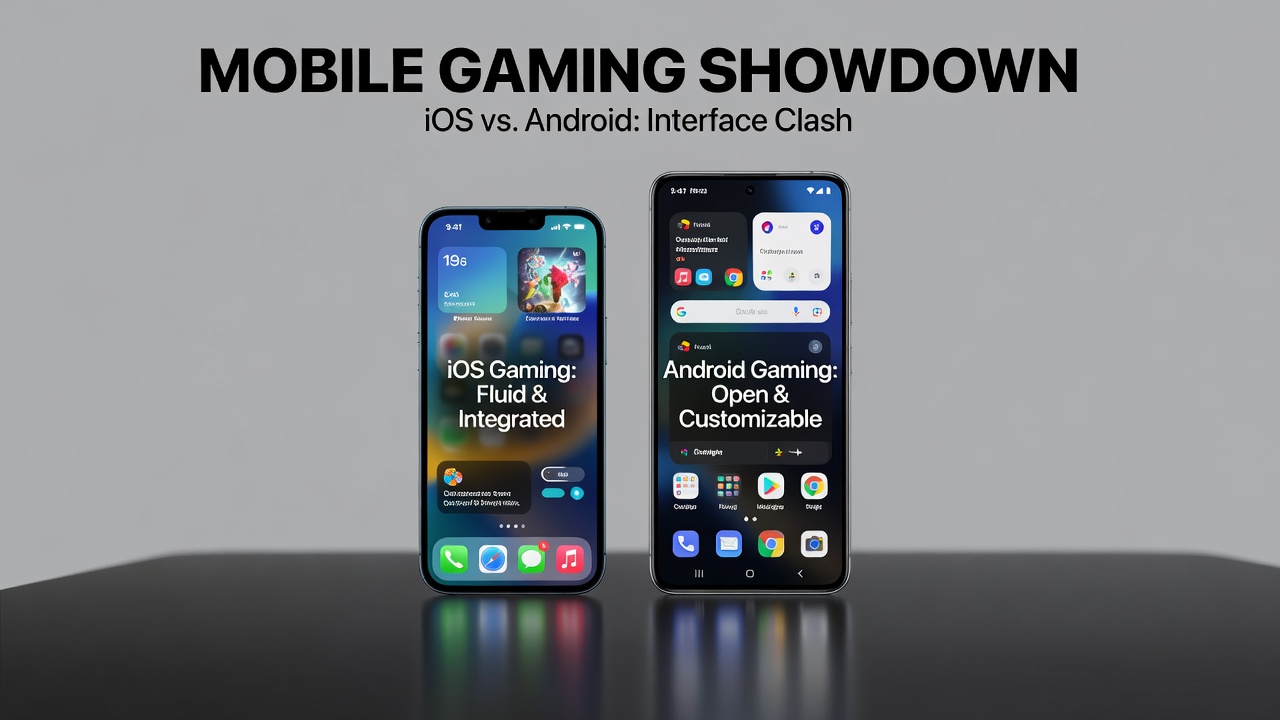
Android permits variation. For casinos, this creates different design possibilities and different friction points.
When you design a slot machine for iOS, you're designing for a player who expects certain behaviors. Pull-to-refresh, swipe-to-navigate, consistent button placement. The player has internalized these patterns across thousands of hours with other apps.
Android players have seen wider variation. Casinos exploit this flexibility. The design surface is larger. The constraint set is smaller.
The Retention Mechanics on Each Platform
iOS casinos prioritize notification prompts. Apple requires explicit user permission for push notifications. A casino can request this, and when granted, they have a direct channel to the player's lock screen. Pragmatic Play's iOS integration uses this aggressively. A player's phone buzzes with promotional notifications, free-spin offers, and bonus reminders.
This is retention design. The friction of opening an app is removed. The casino comes to the player.
Android casinos use background persistence. The app can maintain activity in the background with fewer restrictions. A casino can track player behavior longer without dismissal. The feedback loop is continuous rather than gated by notification permission.
Microgaming's Android version maintains a persistent connection to the server. When a bonus becomes available, the app knows immediately because the service worker is always listening. Notification-less retention.
Onboarding Differences
iOS casinos face Apple App Store review. The submission process is strict. Account creation, deposit flows, and KYC verification are scrutinized. A casino's app must demonstrate compliance with Apple's gambling guidelines.
This creates tighter onboarding. Fewer screen pop-ups. Cleaner progression toward the first deposit.
Android casinos can load directly from their own web servers (via Progressive Web App) or from Google Play, which has looser review standards. The onboarding can be messier: more pop-ups, more aggressive upsells, more permission requests.
From a systems-design perspective, iOS requires tighter game loops. Android permits looser loops with higher friction tolerance.
The Payment Integration
iOS forces integration with Apple Pay or in-app purchase flows. This creates a clean, recognized interaction. Players see the familiar iOS payment interface and understand what's happening.
Android permits direct bank integration, e-wallets, and proprietary payment systems. A Stake Android app can use their native Bitcoin checkout. An iOS app cannot. The payment experience is constrained by Apple's ecosystem.
From a casino's perspective, iOS is a more locked-down funnel. Android is more flexible but introduces more friction for players unfamiliar with the payment interface.
Graphics and Frame Rate
iOS casinos can assume Metal rendering. Consistent hardware performance. A casino targeting iPhone 13 and above knows the exact performance ceiling.
Android casinos face a wide spectrum of devices. A mid-range Samsung has different memory and processing than a flagship Pixel. The graphics must scale dynamically. Slot machine animations run at 30fps on some devices, 60fps on others.
This matters for the feedback loop. A game with poor frame rate feels sluggish. Sluggish feels like the game is "rigged." The player experiences friction even if the probability is fair.
Session Persistence
iOS kills background sessions more aggressively. If you alt-tab from a casino game, iOS may suspend it. When you return, the app must reload state from the server.
Android maintains background sessions longer. A game you left running actually keeps running. Return to it and the session is hot. No reload friction.
For a player chasing a specific outcome, this creates a perception difference. Android feels more like "I kept the game alive." iOS feels like "the app froze and I had to restart it."
Compliance and KYC Friction
Both platforms require KYC verification (Know Your Customer) for legal compliance. iOS casinos tend to bake this into the onboarding flow. The player expects it.
Android casinos sometimes defer KYC, letting players place small bets before verification. This reduces initial friction. But when withdrawal time comes, KYC enforcement is harder and more aggressive.
Which Plays Better
For retention loops: Android. The background persistence and flexible notification model create more touchpoints.
For conversion: iOS. The tight constraints force better onboarding and a cleaner first experience.
For sustained play: it depends on the player. A player used to tight iOS controls finds Android options confusing. A player accustomed to Android flexibility finds iOS restrictive.
The Real Difference
The behavioral difference comes down to feedback immediacy. iOS games are built for discrete sessions: open, play, close. Android games are built for ambient awareness: always available, always listening, always rewarding.
iOS feels like a game. Android feels like a service.
Both are intentional designs, not accidents.
Full time. 9 sections from Gamble-24 Slate Desk.