
Bonus Buy Features and Wagering: An Overview
You know, I was sitting at the Flamingo, must have been late August, seven-something in the evening when you can't quite tell if it's the light from outside or just the casino floor keeping you awake.
Posted by Gamble-24 Slate Desk on . Kick-off to full time in 4 min.
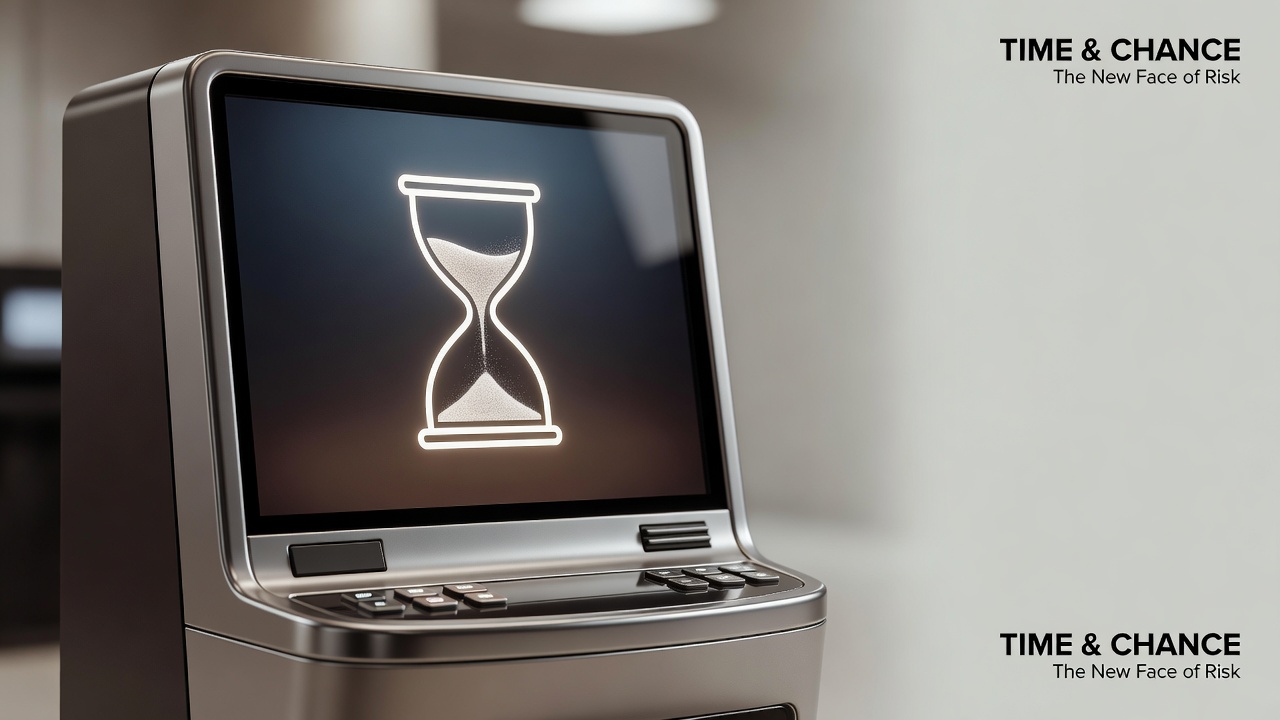
I'm nursing a whiskey I didn't really want, just something to hold onto, right? And there's this guy next to me at the slots who keeps pressing this button that's not the spin button. It's a side button. Faster than I've ever seen anyone move, he's poking it, and the machine is racking up coins like he's found some cheat code. I lean over. "What the hell are you doing?" I ask. And he says, "I'm buying the bonus." Just like that. Like it's the most natural thing in the world. I'd been playing slots since 1998, and I'd never heard that phrase.
That's the thing about casinos. Just when you think you've seen every possible angle, they invent a new one. This was maybe 2018, maybe 2019. I can't remember the exact year because time works different in there, but it was definitely before COVID shut everything down. The bonus-buy feature was still pretty new on the casino floor. Pragmatic Play had rolled it out on some of their games. A few other software companies followed. The idea is simple: instead of waiting for the bonus round to trigger naturally (which might take fifty spins, might take two hundred), you pay extra money to jump straight to it. It's like buying your way to the exciting part. The house takes your extra money upfront, and you get to see the bigger payouts right away.
The guy explained it to me like this. A regular slot game might have an RTP of 96.8 percent, right? But if you're buying the bonus every couple of spins, your effective RTP is going to tank. You're paying extra. You're paying a premium to skip ahead. It's not cheating; it's by design. The machines are built for it. Some games price it at 2x your last bet. Some at 3x. Some at 5x or even 10x. You hit that button, boom, your whole session changes. You're getting fast-tracked to the bonus round with all its multipliers and free spins, but you're paying for the privilege.
The Math Under the Button
I asked the guy how much he was spending. Over two hours, he'd bought the bonus maybe forty times. His initial buy-in was a hundred bucks. He'd gone through three hundred and change. But he'd also won about five hundred in bonus payouts. So on net, he was up, but the variance was insane. One second he's losing money fast, the next he's cashing out because the bonus hit something big. The whiplash is real. You're not playing the same game anymore. You're not playing strategy or waiting for the machine to be generous. You're paying to turn the dial yourself.
The casinos love this for obvious reasons. It adds an entirely new revenue stream. A game that normally yields 3.2 percent house edge (meaning the house keeps 3.2 percent of all money wagered) can be tuned so that bonus-buy revenue brings that up to 4.5 or even 5 percent if players are aggressive about buying. The feature is optional, technically. But the way they pitch it, the way it's designed, the colours they use on that button,they're pushing you toward it. It's not coercion. It's incentive structure.
Bonus buy features are a tax on impatience, paid willingly by players who want the show without waiting for the machine to deliver it naturally.
Now here's the thing about wagering that matters. Some casinos, and this varies by state and by individual property, require that bonus payouts be wagered a certain number of times before you can cash out. In regulated US casinos (the ones in Nevada, Atlantic City, New Jersey, that place in Mississippi), this is heavily controlled. You hit a bonus, you win two grand, they're not going to tell you that you have to wager six thousand dollars before you can leave. But in offshore casinos, in international jurisdictions, the rules are looser. Some casinos have 30x, 40x, even 50x wagering requirements on bonus payouts. You win a thousand in a bonus and they tell you, "Congratulations, now wager it 40 times." That's forty thousand dollars of additional action before you can touch the money. Most people never make it. They lose it trying.
I sat with the guy for another forty minutes. He kept buying bonuses. His stack fluctuated. At one point he was up nearly a thousand. I thought he was going to walk. He didn't. He kept pressing the button. Because that's what happens with these features,they make the game addictive in a way regular slots aren't. You feel like you have control. You feel like you're making decisions. You're deciding when to buy the excitement instead of waiting for it to come to you. It's a game design trick, honestly. It's brilliant and gross at the same time.
Eventually, he ran out of money. He looked at his phone, looked at the machine, and left. Didn't say goodbye. Just walked out into the Vegas heat. I stayed at the bar. Ordered another whiskey I didn't want. I thought about what it means to pay extra to skip the boring part of the game when the boring part is exactly when you're supposed to be thinking about walking away.
The bonus-buy feature exists now on hundreds of games across multiple software providers. It's not going away. It's too profitable for the casinos and too appealing to the players who want to see big payouts without waiting through thirty hands of the same machine doing nothing special. The math is simple. You pay money, you skip ahead, you gamble more. The house stays profitable. The player stays engaged. Everybody wins except the part of you that knows better.
Full time. 2 sections from Gamble-24 Slate Desk.