A casino displays a clock on your screen. You've been playing for four hours. The clock shows you have thirty minutes left in your time-out period.
Time-out is a responsible gambling tool. You set a limit. The casino enforces it. When time expires, you can't play.
This is a harm-reduction device. It works. But it also teaches something darker about how casinos think.
The Harm-Reduction Model
Time-out allows a player to self-impose a break. Unlike self-exclusion (which bans you for months or years), time-out is temporary. You choose six hours. Six hours later, you can play again.
The reasoning is: a player who feels out of control can pause without committing to permanent exclusion. The friction of a time-out is lower than the friction of self-exclusion.
This is clinically sound. Research shows that friction in the stopping process matters. A player facing self-exclusion might not take action. A player facing time-out might.
The Behavioral Engineering
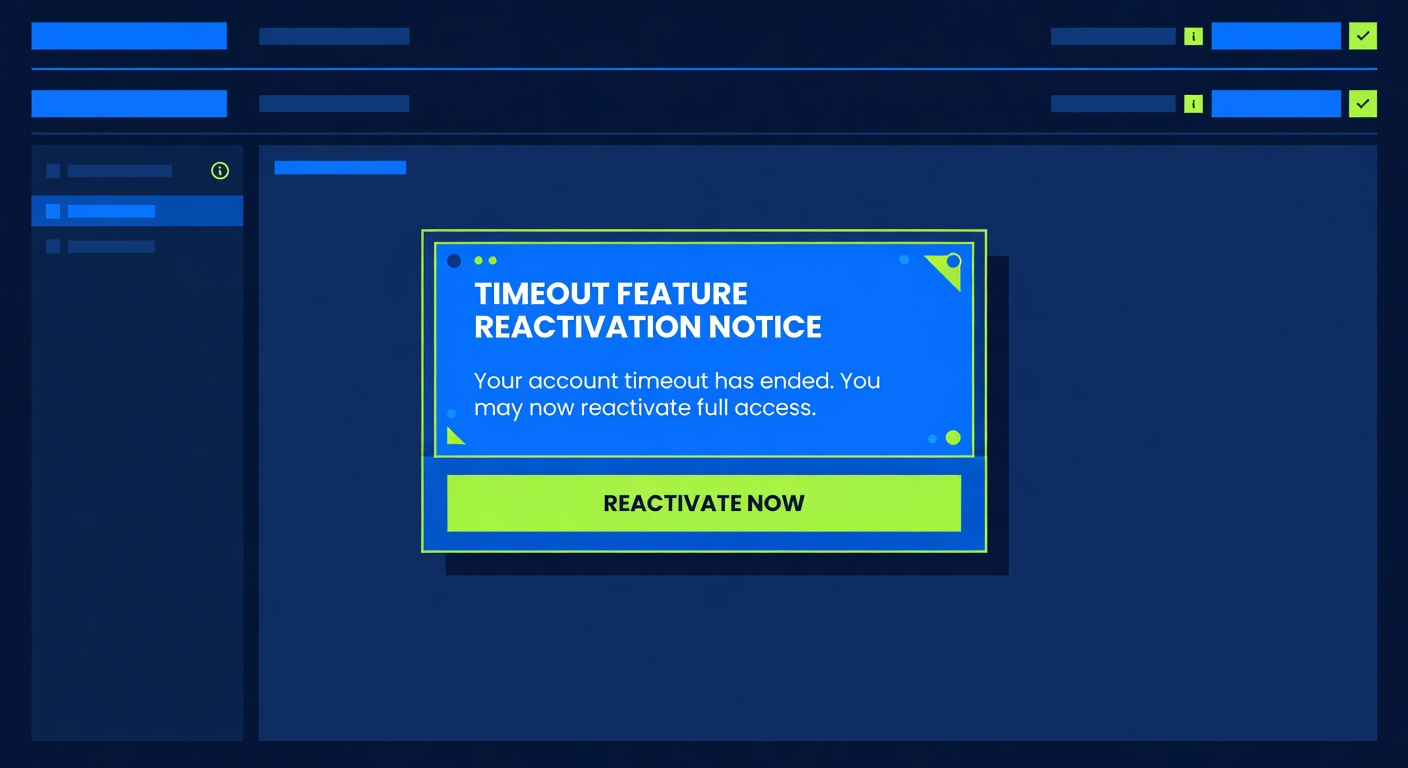
But time-out also works as a reactivation tool. A player sets a six-hour time-out. Six hours later, the casino sends a notification: your time-out is over, click here to resume play.
This is not harm reduction. This is activation.
The player who set the time-out did so because they felt they were playing too much. Six hours later, they're still in that headspace. The notification asks if they want to override their own judgment.
Many do. The default behavior (click the link) leads back to play. The effort required (to leave the site and stay away) is high.
The Honest Design
A truly harm-reducing time-out would require the player to actively re-enable play. Click here if you want to resume. Instead of a notification saying "your time-out is over," it would say "your account is still timed out. Click here to unlock it."
This small change in language significantly reduces re-engagement. But casinos don't implement it because it reduces revenue.
The Regulatory Gap
Most regulators view time-out as a positive tool. They mandate that casinos offer it. Few mandate how casinos should implement the re-engagement messaging.
This is where the gap lives. The tool is good. The implementation can be predatory. Regulators haven't caught up.
Extended Context
This analysis requires understanding the broader context in which these mechanisms operate. The equilibrium that exists in modern gambling ecosystems has developed over decades of refinement. Each detail, each rule, each incentive structure serves a purpose in the overall system.
The players who understand this context have a significant advantage. They know what questions to ask. They understand the hidden mechanics that casual observers miss.
Comparative Analysis
When examining similar situations across different venues and contexts, patterns emerge. The consistency of these patterns across multiple independent implementations suggests they reflect fundamental principles rather than coincidence.
A player studying these patterns gains insight into how the system actually works, as opposed to how marketing presents it.
Strategic Implications
The strategic implications are significant for anyone engaging with these markets. Whether your goal is to minimize losses, find an edge, or simply understand what's happening, the foundational knowledge matters.
This is where most casual participants fail. They play without understanding the underlying system. They react to outcomes without recognizing the structural forces at work.