Reality checks are mandatory in most regulated jurisdictions. The software architecture is simple: after thirty minutes of continuous play, the game pauses and presents a choice. "Do you want to continue?" You have two buttons: continue or stop. The implication is that the software is giving you a chance to assess whether you are gambling responsibly.
They have been playing for half an hour, they are either up or down, and they are too engaged to stop.
Here is what actually happens. The interruption is irritating. Most players hit continue without reading the prompt. The ones who do read it are in the sunk-cost headspace. They have been playing for half an hour, they are either up or down, and they are too engaged to stop. The reality check interrupts their flow just long enough for them to consciously choose to keep gambling. It does not prevent gambling; it makes the decision to gamble explicit. For some players, this is useful. For others, it is window dressing.
Session limits are harder to game. Set a one-hour limit, the system shuts down when the hour expires. You cannot play past it. The casino cannot override it without legal exposure. This is actual hard constraint. The problem is enforcement. A player who hits a session limit on one operator can immediately log into another. The limits are local, not global. A player with problem-gambling behavior can distribute their play across five different licensed operators and never hit any of them individually hard enough to trigger intervention.
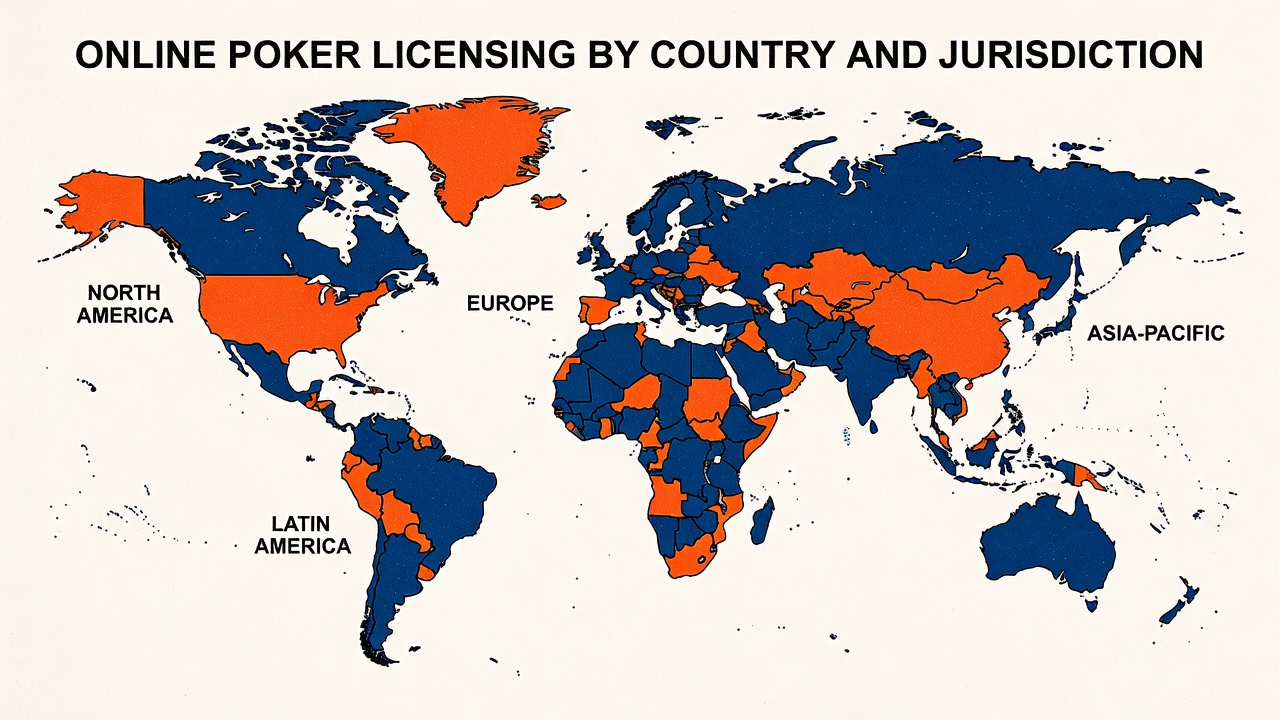
Why do operators offer these tools if they reduce revenue? Legal liability and jurisdiction requirements. The Malta Gaming Authority, the UKGC, and most other regulators require responsible gambling measures as a condition of licensure. The tools are not optional; they are a cost of business in regulated markets. Operators price the loss into their operating model. They assume a small percentage of players will use the tools correctly, reduce their play, and cost the operator money. They assume a larger percentage will ignore the tools or game them. The net effect is neutral or slightly positive for the house.
The mechanics of how a reality check or session limit actually reduces harm are weaker than they appear. A problem gambler's brain is not suddenly rewired by a pop-up. A person with impulse control issues does not gain it from a time limit. What these tools do is create a paper trail. If a player later claims the operator did not provide responsible gambling options, the operator can show: we offered reality checks, session limits, deposit limits, self-exclusion. We built the tools. The player chose not to use them correctly. This is legal defensibility, not psychological intervention.
That said, they matter at the margin. A casual player who sets a session limit, hits it, and stops is a player who benefited. That player exists. How many is that player? The data is murky. Operators do not publish it. The regulators do not aggregate it. What we know is that suicide rates in jurisdictions with strong responsible gambling infrastructure are not measurably lower than jurisdictions without it. The tools exist. Their impact on actual harm reduction is unclear.