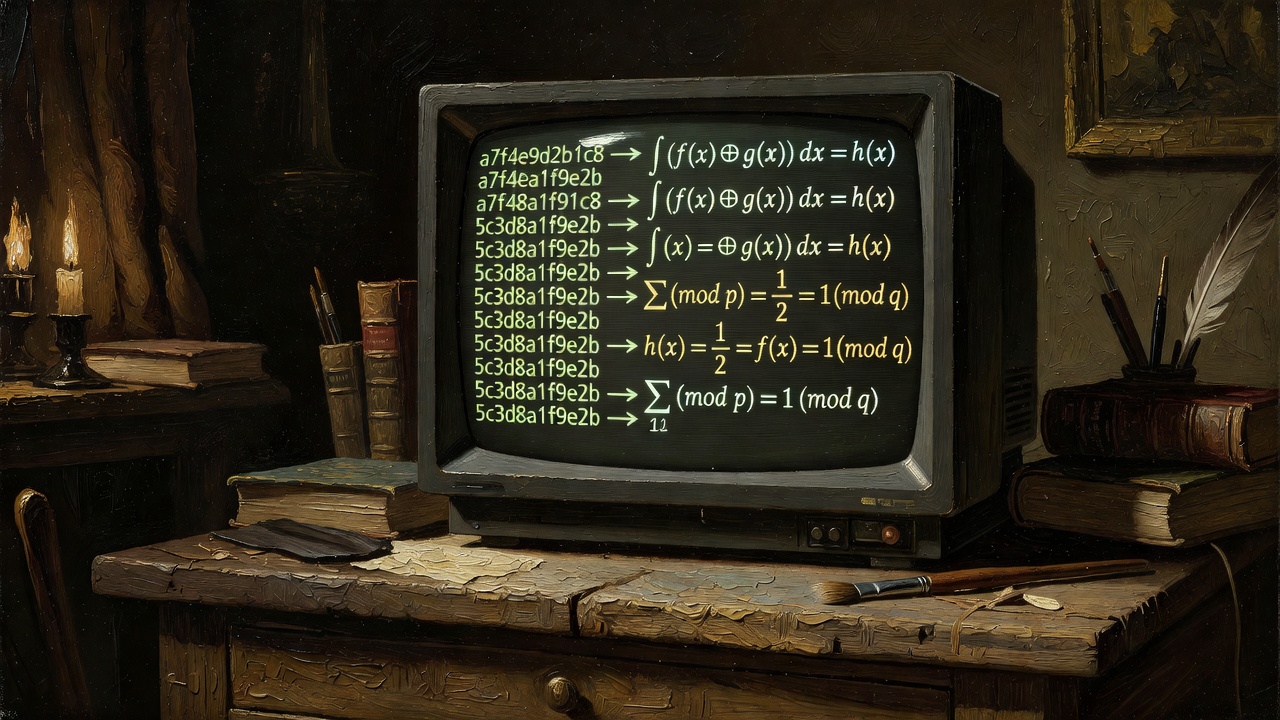
Provably fair cryptography is elegant. Server generates a hash of the next game outcome, shows you the hash, you play, then the server reveals the seed and you verify the hash matches. This proves the server did not cheat after the fact. This proves the outcome was predetermined. This is not nothing. It is also not everything, and that is where the marketing gets slippery.
What provably fair does: it guarantees the result was not altered in real-time based on your bet
What provably fair does: it guarantees the result was not altered in real-time based on your bet. If the provider created a hash before the game ran, they cannot retroactively change it without the hash breaking. You can verify this yourself with any SHA-256 tool. The math is rock solid. You can trust that if a game says you lost 47 units on a specific hand, it genuinely determined 47 units as the outcome before you clicked play. It is a legitimate check on the most obvious form of cheating: rigging the result after you committed your money.
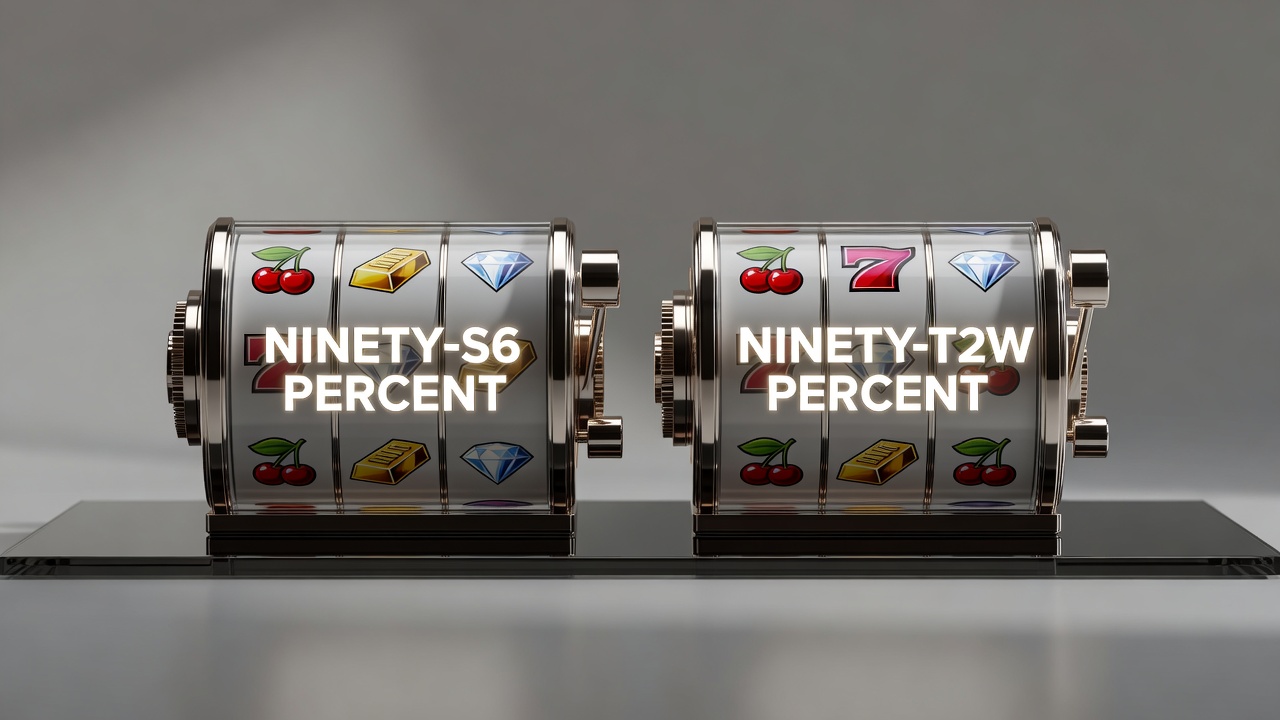
What provably fair does not do: it does not make the underlying game fair. This is the sleight of hand. A game can be provably fair and have terrible odds. A slot with a 95 percent RTP (return to player) will provably produce 5 percent house edge outcomes with complete mathematical precision. The provider runs the RNG, controls the seed distribution, and sets the payout table. They are not cheating; they are following their own rules exactly. Those rules happen to be rules that lose you money over time, but fairly.
Provably fair also does not guarantee the provider is solvent or legitimate. There is no audit of the RNG algorithm itself. There is no regulator checking if the seed is actually random or if the provider is running a Ponzi. What you are verifying is narrow: that this specific outcome matches this specific hash. You are not verifying that the provider will pay you, that they are not running the same game to fifty different people for the same outcome, or that the seed generation has not been compromised upstream.
Think about it this way: a provably fair Ponzi scheme is still a Ponzi scheme. It will pay early players exactly what the hash says it will, fairly and verifiably. Then the provider disappears with later deposits. You fell because you confused cryptographic honesty with business honesty. The technology proves one thing; the business proves nothing.
When you are evaluating a crypto casino, provably fair is table stakes. It is not a reason to trust them. It is the minimum requirement to not instantly dismiss them. Look at licensing, player complaints, withdrawal timelines, whether regulators have actually seized the provider's wallets. A tiny Curaçao license combined with provably fair is still a tiny Curaçao license.
The implication is that regulation matters less than reputation. Whether the provider is licensed or not, they must have a demonstrated history of paying winners. Ask in forums. Search for complaints. The license is a filter, not a guarantee.