I started working on slot machines in 1975. The machines were simple. A reel, a spring, a mechanism. I understood every part. Then casinos started worrying about card counting in blackjack. They introduced the CSM (continuous shuffling machine). I watched dealers' jobs change in real-time. A hand-dealt shoe with a card counter can become beatable. A CSM makes that impossible. The CSM is so effective at preventing counting that casinos now use CSMs in nearly every game below high-limit. The cost of the CSM is worth it to the casino because it guarantees they cannot be beaten.
After a certain percentage of the deck is dealt (usually 70-80 percent), the deck is shuffled again, reset, and the dealing continues.
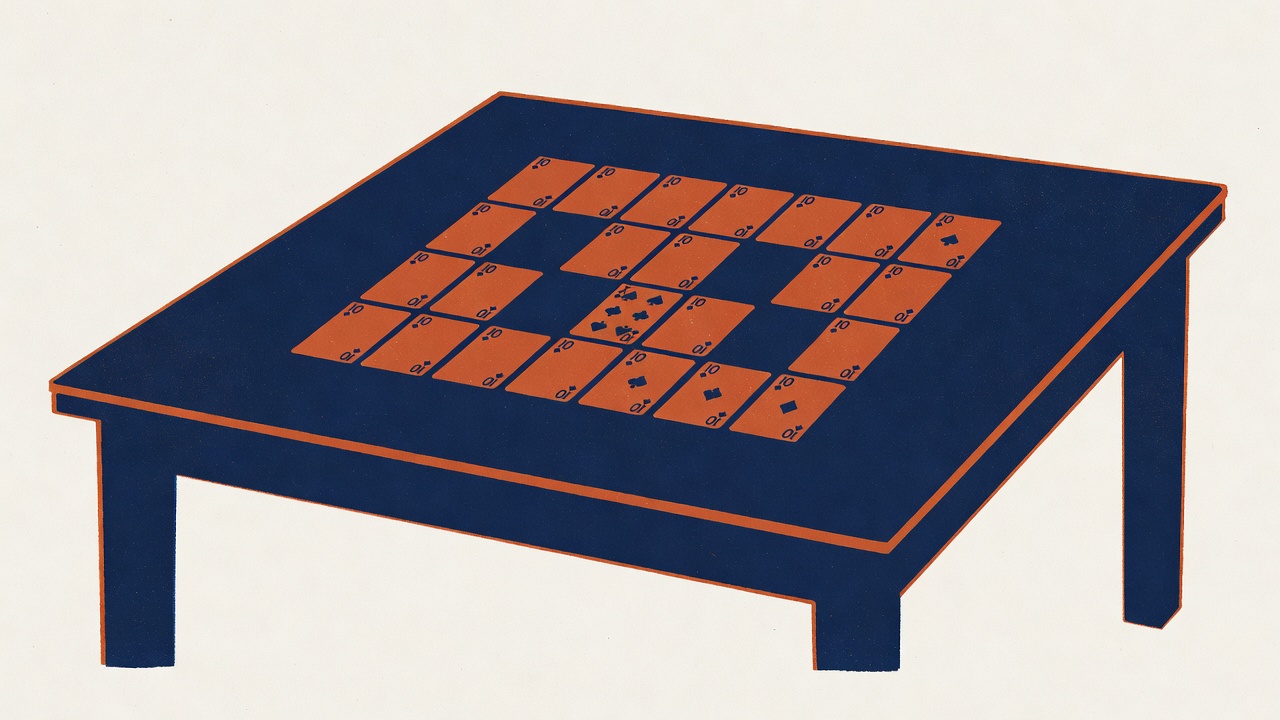
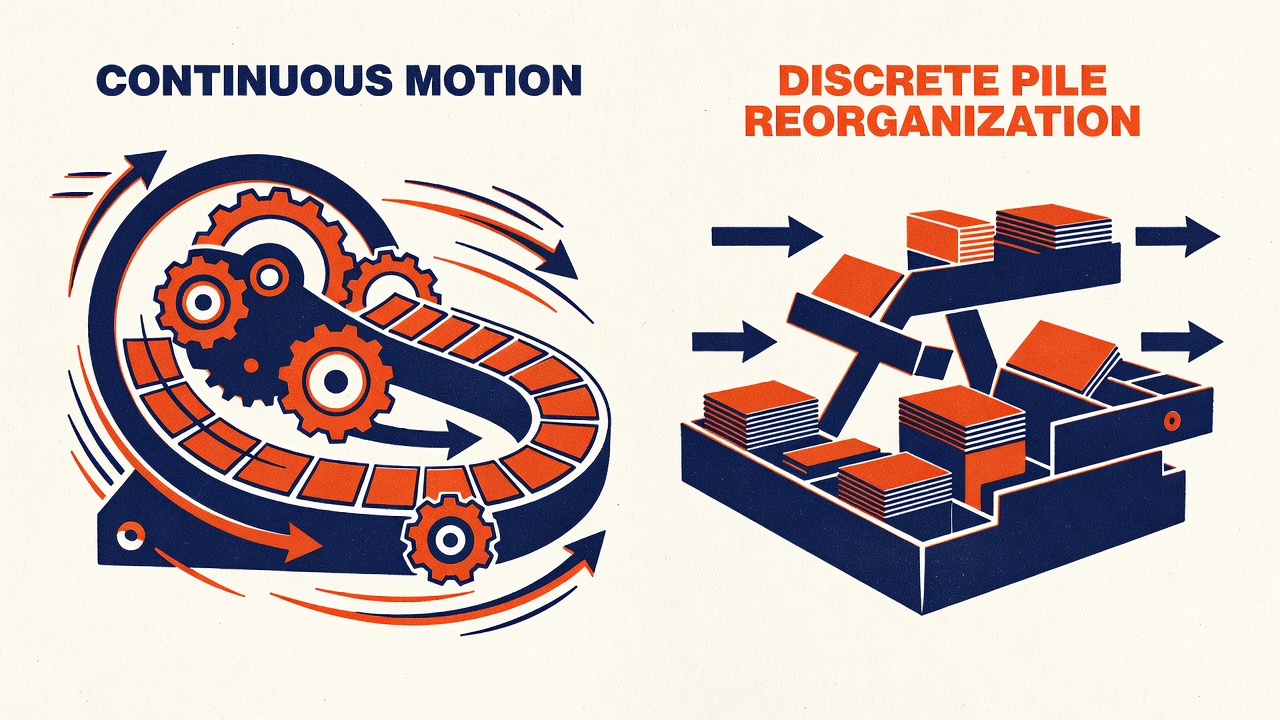
A manual shoe is six or eight decks of cards in a wooden box. The dealer removes one card at a time and deals it. After a certain percentage of the deck is dealt (usually 70-80 percent), the deck is shuffled again, reset, and the dealing continues. A card counter can track the composition of the remaining deck and adjust their betting. A manual shoe is beatable if you count correctly.
A CSM is a machine that takes the dealt cards, shuffles them, and returns them to the deck continuously. No deck depletion. No composition tracking. The next card dealt is always from a fresh mixed deck. It is mathematically impossible to count when a CSM is in use because there is no meaningful composition shift.
The dealer's job changed with the CSM. Manual shoe dealing requires skill. The dealer has to manage the cards smoothly, protect against cheaters, maintain pace. A CSM requires the dealer to load the machine and monitor it. Fewer decisions. Less skill. The casino preferred this.
From a player perspective, the CSM is worse. The casino edge does not change mathematically, but the edge becomes completely unbeatable. A skilled player had an edge against a manual shoe if they could count. A skilled player has no edge against a CSM. The strategy flattens.
CSMs are now standard in most casinos. Manual shoes are used in specific games (mid-limit blackjack, high-limit baccarat) where the casino wants to appeal to professional players. The appearance of a manual shoe now signals a higher-end game.
What people do not realize: a CSM can be set to reshuffle more or less frequently. A CSM that reshuffles every fifty cards is more favorable to the casino than a CSM that reshuffles every ten cards. The frequency is set by management, not by the machine. A player might think a CSM is a CSM, but the settings change the game fundamentally.
I spent forty years around machines that shuffle. The CSM was the most important innovation in casino gaming because it made the entire domain of card counting impossible. It was not a technical improvement for the sake of fairness. It was a technical improvement to guarantee the house an unbeatable edge.
Continuous shuffling machines were the most important innovation in anti-cheating ever created. They made card counting impossible. They made the game unbeatable. Most players have no idea they are playing against this technology.