Antanas Guokas came to America from Lithuania in the 1990s with a bankroll, an accent, and a complete absence of the social filters that most Americans are taught. He played high-stakes poker and he talked constantly while he played.
He would berate opponents for their play.
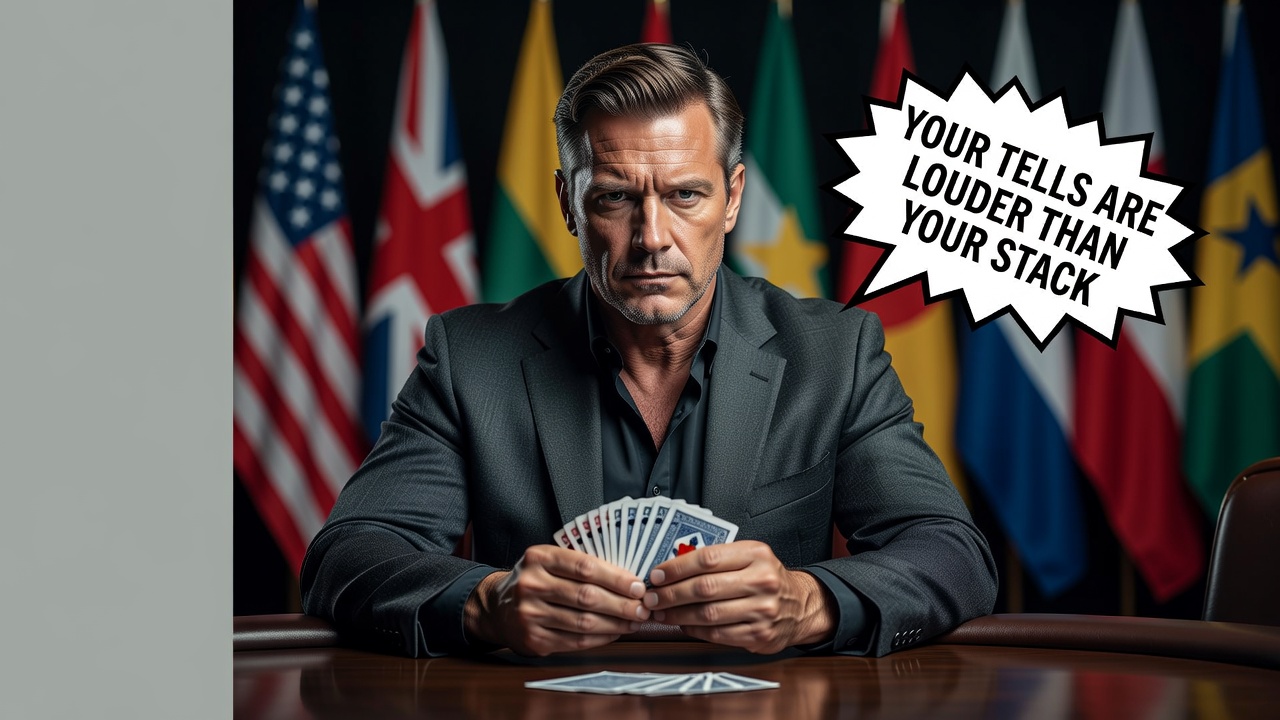
Most poker players are quiet. They make decisions. They fold. They bet. They move on. Tony G played poker the way Europeans play football: with noise, with emotion, with running commentary on everyone else's mistakes. He would berate opponents for their play. He would celebrate his victories loudly. He would criticize other players' decisions during the hand. Most casinos would have asked him to stop. Most opponents would have gotten angry. Instead, people watched.
The trash talk served a purpose. It was not random. It was designed to irritate, to make players emotional, and to pull them into decisions they would not have made if they were calm. An opponent who is angry makes mistakes. An opponent who is feeling disrespected will chase losses to prove they are better than Tony G thinks they are. Trash talk is a calculated attack on the opponent's psychology.
But there is a cost to this kind of sustained emotional expression. The person doing the talking has to maintain that intensity. That is exhausting. That is stressful. Over years, the stress accumulates. The trash talk is a job that never stops.
Tony G became famous, which brought more attention, which required more performance. The role he created became his identity. He could not turn it off because the whole point was that he never turned it off. This is a common pattern in personalities built on intensity. The person becomes trapped inside the performance.
From a psychological standpoint, constant emotional intensity is not sustainable. The body becomes sensitized to the stress. The cortisol elevation that was occasional becomes chronic. The sleep suffers. The immune system suffers. The person becomes irritable not just at the table but in life.
I have treated people who played poker with the Tony G approach. The ones who recognized it was unsustainable and dialed it back reported feeling better. The ones who tried to maintain the intensity indefinitely reported burnout, resentment, and a sense of being trapped in a character they created.
Tony G's legacy is mixed. He demonstrated that trash talk could be a legitimate psychological tool at the poker table. He also demonstrated the cost. A player can win money and lose himself in the same game. The question is not whether the approach works. It works. The question is whether the cost of the approach is worth the winnings it generates.
Tony G proved that psychological pressure is a poker skill. He also proved that psychological pressure has a cost. A player has to choose: win money or maintain mental health. Some people optimize for the wrong variable. I have treated poker players who achieved six figures in winnings but lost their marriage, their health, and their sleep doing it. The money was real. The cost was higher. Tony G's career validates that aggression works in poker. It does not validate that it is worth the cost to the person being aggressive.