Live casino streams exist in a middle ground between theater and gambling. The technology is broadcast-grade, the operators are using RTMP protocols and CDN distribution, and the whole thing is engineered to feel immersive while being impossible to actually cheat. Here is what is actually happening when you sit down at a live baccarat table.
The physical setup: a real table in a real room with real cards or wheels
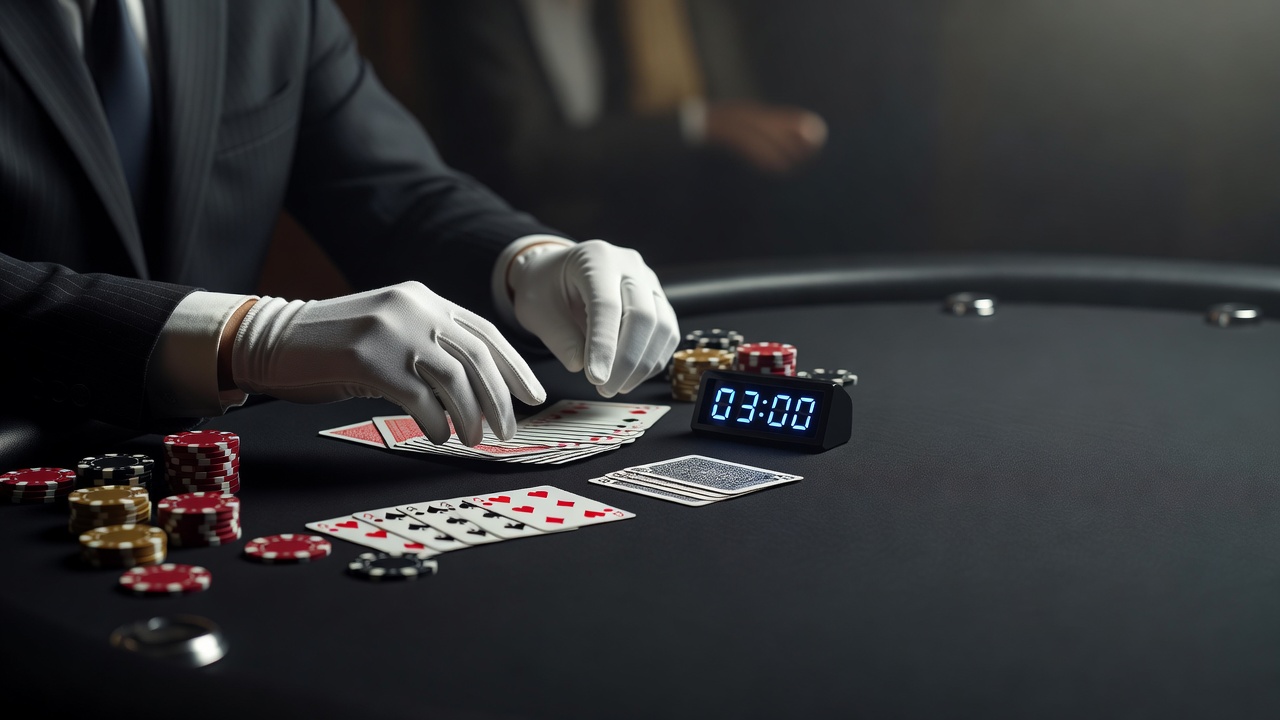
The physical setup: a real table in a real room with real cards or wheels. One or more cameras pointed at the table, typically from above and at an angle. The dealer is visible. The game is live. This part is genuine. The production layer on top of that is not.
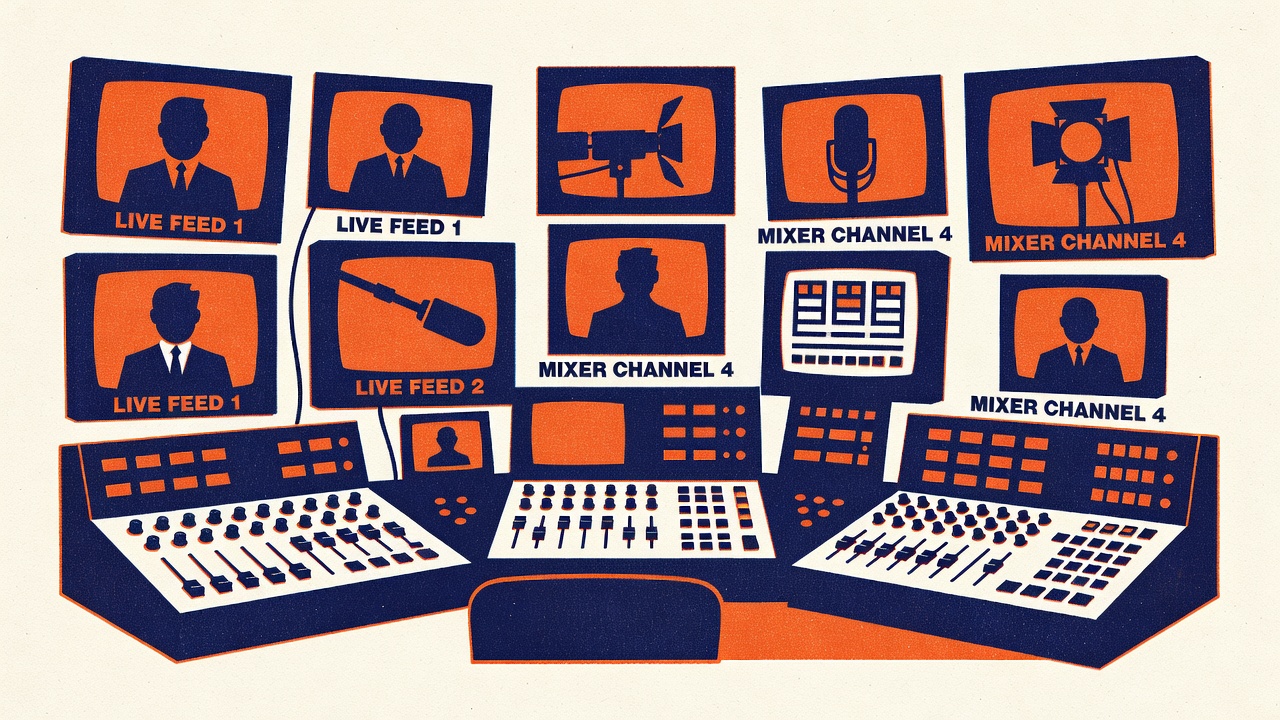
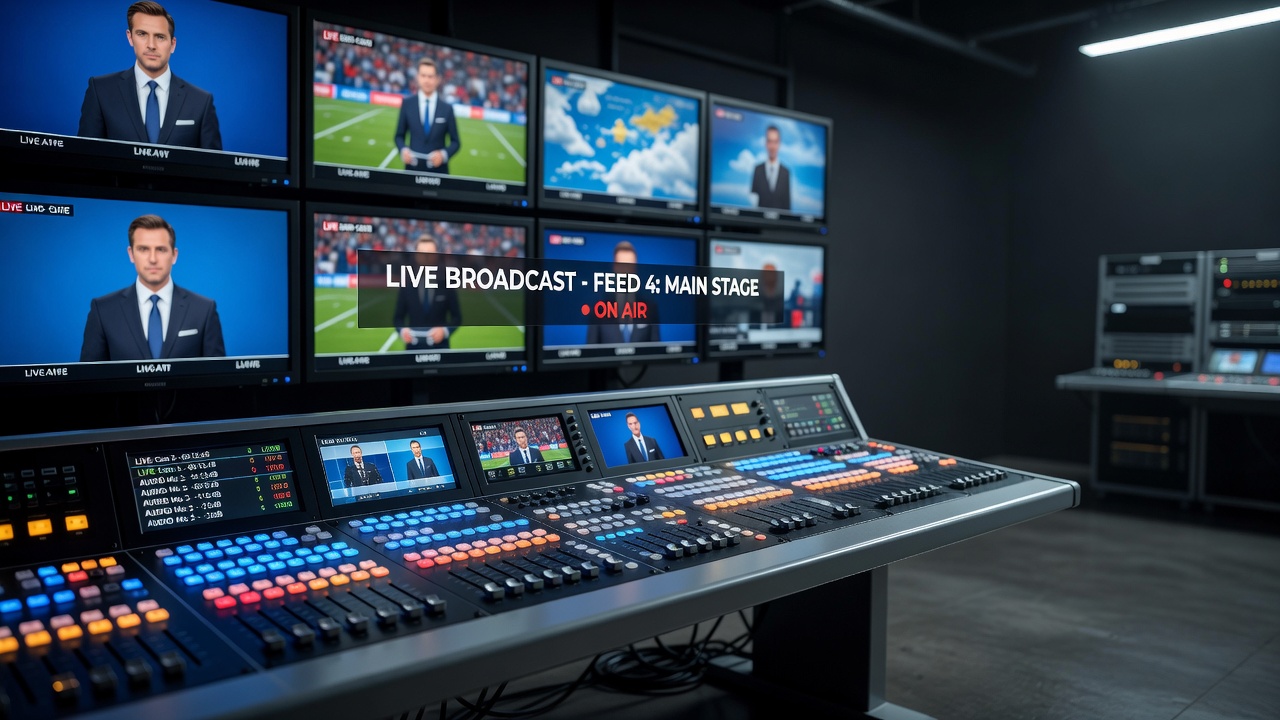
Multiple camera feeds are running simultaneously. One wide shot of the whole table, one close-up on the cards, possibly one on the dealer's face. The production control room switches between these feeds in real-time based on the action. When cards are being dealt, the close-up is active. When players are making decisions, the wide shot is active. The switching is smooth; it feels like a single natural perspective. It is not. It is an edited product.
The betting interface is overlaid on top. You see a table layout and you touch areas on your screen to place bets. This is rendered in software and composited over the live feed. The dealer never sees your betting interface; they are responding to signals from the house (a monitor showing them "bets are open" or "bets are closed") or to the behavior of the other players at the table. Your bet is registered in the casino's system and the payout is calculated when the hand resolves, but the dealer is not responding to you individually. They are following the standard routine for the game.
The latency problem is real. A live stream has inherent delay, typically two to three seconds between what the dealer is doing and what you see on your screen. This is unavoidable with broadcast technology. The casino uses this to their advantage: your bet is locked in before you see the result, so no edge exists in betting late based on what you see. The system prevents the attack of using the delay to gain information.
The RNG (random number generator) is what matters from a fairness perspective, not the stream. The cards are dealt in a specific order determined by the house's random process. Whether you watch it on stream or stand at the table makes no difference. The stream is just the presentation layer. The outcome is already determined by the time the dealer's hand picks up the deck.
This is why provably fair streaming is largely a marketing claim. A truly provably fair live casino would require you to verify the RNG seed before each hand, and the broadcast would have to show the deck composition before dealing. Real casinos do not do this. They show a live feed and ask you to trust that the live feed is not being manipulated. You are trusting the operator and the regulatory authority they are licensed under. The stream is evidence that something is being broadcast; it is not proof that what is being broadcast is real.
The advantage of a live broadcast is psychological. You see a human dealer. You feel like you are playing against a person, not a machine. The casino understands this and structures the broadcast to reinforce the immersion. Quick cuts, close-ups on the dealer's hands, audio of chips being placed. The production is designed to make it feel like you are sitting at a Monte Carlo table, not playing software. That feeling is the value proposition. If the same game could be delivered by a statistical RNG without a broadcast, the casino would lose the appeal and you would probably stop playing.