The Setup
You walk up to a live baccarat table at Evolution Gaming's studio in Romania. Eight players. A dealer. A stickman. Everything is broadcast to hundreds of online players watching from home.
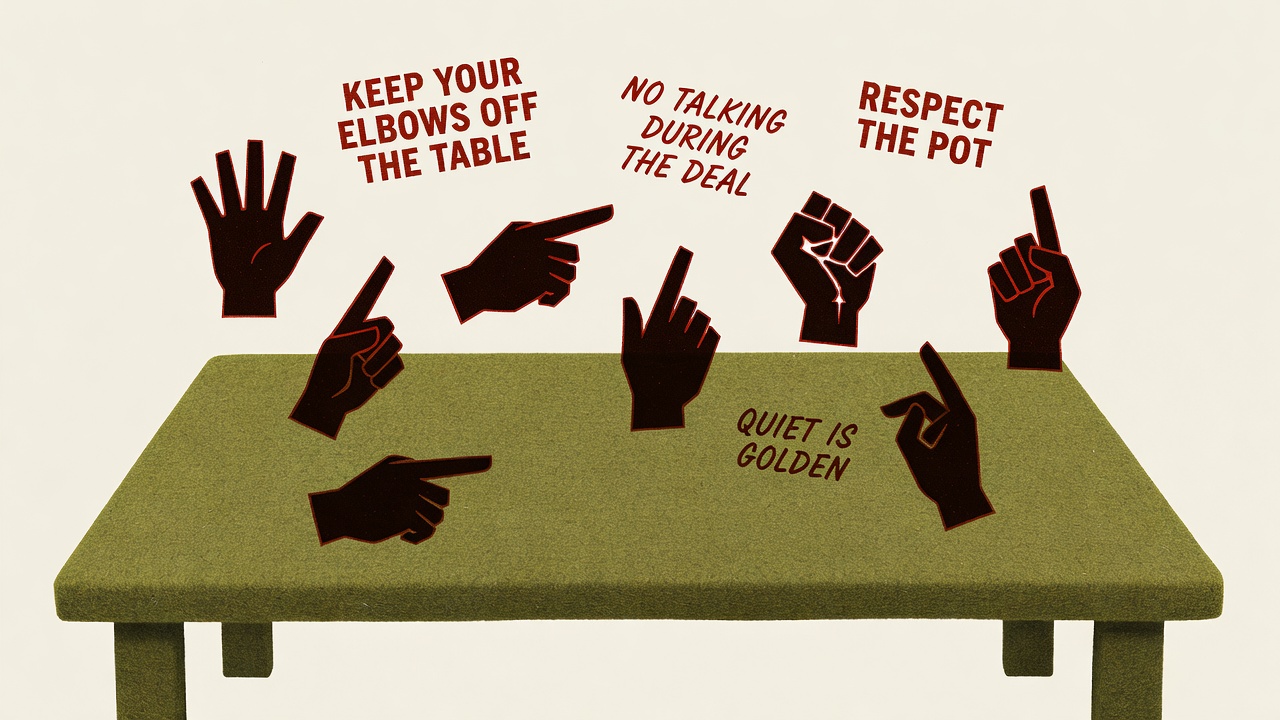
The first thing you should know: everyone is watching. The home audience, the other players, the pit crew. Breaking etiquette does not disqualify you, but it marks you as a novice.
The Chat
Live tables have chat. You can type messages to other players and to the dealer. The golden rule: keep it civil. No abusive language. No racist remarks. No sexual comments.
The floor is monitoring chat. Violations result in warning, then mute, then removal. Multiple casinos enforce this aggressively because they know the broadcast goes to hundreds.
The Pacing
The game has a rhythm. A hand takes approximately ninety seconds from bet-opening to result-announcement. If you are slow to bet, you delay everyone.
When the dealer says "bets closed," place your bet immediately. Do not dither. Do not reconsider. Make your decision and execute.
The Handling of Chips
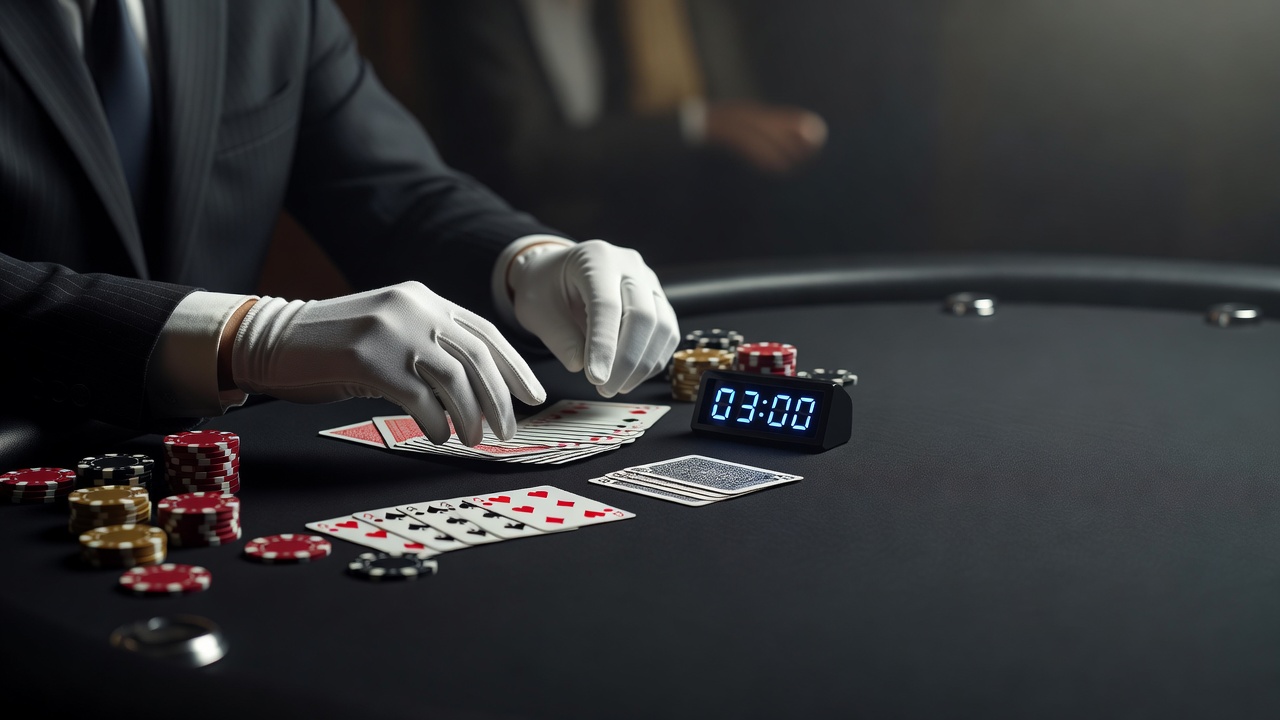
Do not touch the cards. Do not touch the chips once bets are placed. The dealer handles the cards. The stickman confirms the placement of chips.
If you place a bet, you are committed. You cannot move it once the hand is in progress.
The Position
On a baccarat table, you might be one of eight players. You are all seated or standing around the same table, watching the same cards. You are experiencing the game together.
Do not slow the game for other players. Do not demand special treatment. You are one of eight. The game must pace for the group.
The Dealer Interaction
The dealer is a professional. They are not your friend, though they might be friendly. They are not there to celebrate your win or commiserate your loss. They are there to administer the game.
Treat the dealer with basic respect. Thank them if they are helpful. Tip if you win. Do not blame them if you lose.
The Dispute Resolution
If something goes wrong (a card is dealt incorrectly, a payout is miscalculated), flag it immediately. Do not play forward and then complain. The floor will review the broadcast, but it is easier to resolve in real-time.
The stickman and pit boss are there for this purpose. Flag the issue professionally: "I believe that card was miscalculated. Can we review?"
The Superstition
Many players have superstitions. They whisper to the cards. They rub the table. They place bets in specific ways.
The dealer tolerates this, but do not interfere with other players' superstitions. If someone has a ritual, let them perform it. Do not mock.
The Winners and Losers
If you win big, take it with grace. Do not gloat. Do not berate the players who lost.
If you lose, take it with composure. Do not blame the dealer. Do not blame other players.
The Tipping
Tipping is cultural. In Las Vegas, players typically tip on big wins. Online live casinos do not have tipping built into the system. Some broadcast platforms offer tips as a feature. If you feel compelled to tip, use it.
Do not tip if you lost money. That is backwards. Tip if the dealer was pleasant or if you won.
The Broadcasting Awareness
Remember: you are on camera. Hundreds of people might be watching your session. This is not a private game.
Behave accordingly. Do not do anything at the live table that you would not do in a public setting.
The table is a small democracy. Everyone is subject to the same rules. The dealer is the administrator, not the authority.