The Setup
Live Casino Hold'em is poker pinched into a three-minute game. You get two hole cards. The dealer shows three community cards. You decide: call the ante or fold. Then the dealer runs out the river and turn, and if you called, you either won or you didn't.
This is not a full poker game. This is poker distilled to its skeleton: position, incomplete information, and a single binary decision. It's great television, which is why Evolution Gaming cranked out a dozen versions and why it's on every live casino floor.
When to Call
Look at your hand. If you're holding Broadway cards (KQs or better), call almost always. The variance is low and your equity is high. If you've got AK, AQ, KQ, especially suited, you're running a small edge already before the community cards fall. The dealer's going to show three cards. Seven out of ten times, those three cards will improve your position or stay neutral.
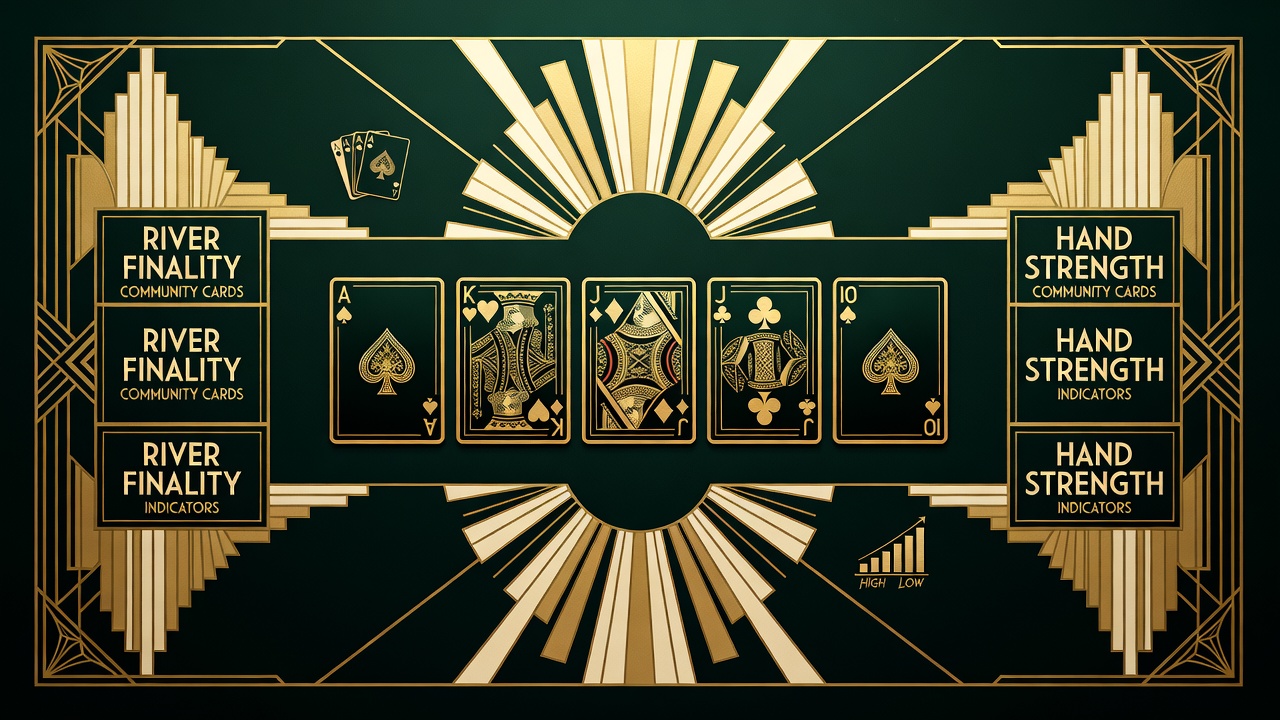
Now the dealer shows three cards. You've got top pair or better? Call. You've got a draw (four to a flush, four to a straight)? Call. Two pair or better? Obviously call. If you're sitting with any made hand after the flop, you're getting something like 1.5 to 1 on your money. That's a call.
When to Fold
You hold seven-deuce. The community cards are king-high. You have no draw and no hand. Fold. The dealer's going to win this blind. No percentage play.
You hold king-nine offsuit. The board runs out king-queen-jack. You've got top pair but the board is textured. The dealer's going to have trips or a straight about one time in six. So when the dealer qualifies and you've got a marginal hand, you're maybe 52-48 the hand. That's not a call; that's a flip. In a short game with antes attached, folding is the neutral play.
This is where the ESPN analysis diverges from pure poker. In poker, you can fold and rebuy. In Hold'em, you fold and you're out an ante. So the antes are doing work. They're pushing you into marginal spots where you'd never play in a ring game.
The House Edge
The game returns about 95.5% to the player, meaning the house takes 4.5%. That's a big edge for thirty seconds of play, which is fine if you're there for entertainment. Don't mistake the speed for luck. Every decision point is transparent: you can see your equity, you can count the dealer's outs, you can do the math in your head before you act.
The real test is whether you can fold when the math says fold, even when you feel like you should stay in the hand.
The Live Element
You're at a table with six other people, all watching the same three community cards and waiting for the same turn and river. That's a social element that online poker removed a long time ago. You can see the other players' faces. You can hear their groans. You can feel the collective tension in the room.
That's worth something. It's why people choose this game over heads-up video poker. It's not a better game. It's a more populated game. You're playing against a dealer, but you're gambling with strangers, which is old-school casino work.
The Kelly Criterion
If you know your edge and your variance, you can calculate the optimal bet size. In Hold'em, a skilled player gets maybe a 3-4% edge on the house over a long run. That means you'd wager about 3% of your bankroll per hand. If you have five hundred dollars, that's a fifteen-dollar bet per round. If you have three thousand, it's ninety. The game moves fast enough that you can cycle through twenty hands in ten minutes. Your variance will show up quickly.
The point: you don't need to be a mathematician to see that this game rewards discipline. Folding weak hands, calling strong ones, not chasing marginal situations. That's it.