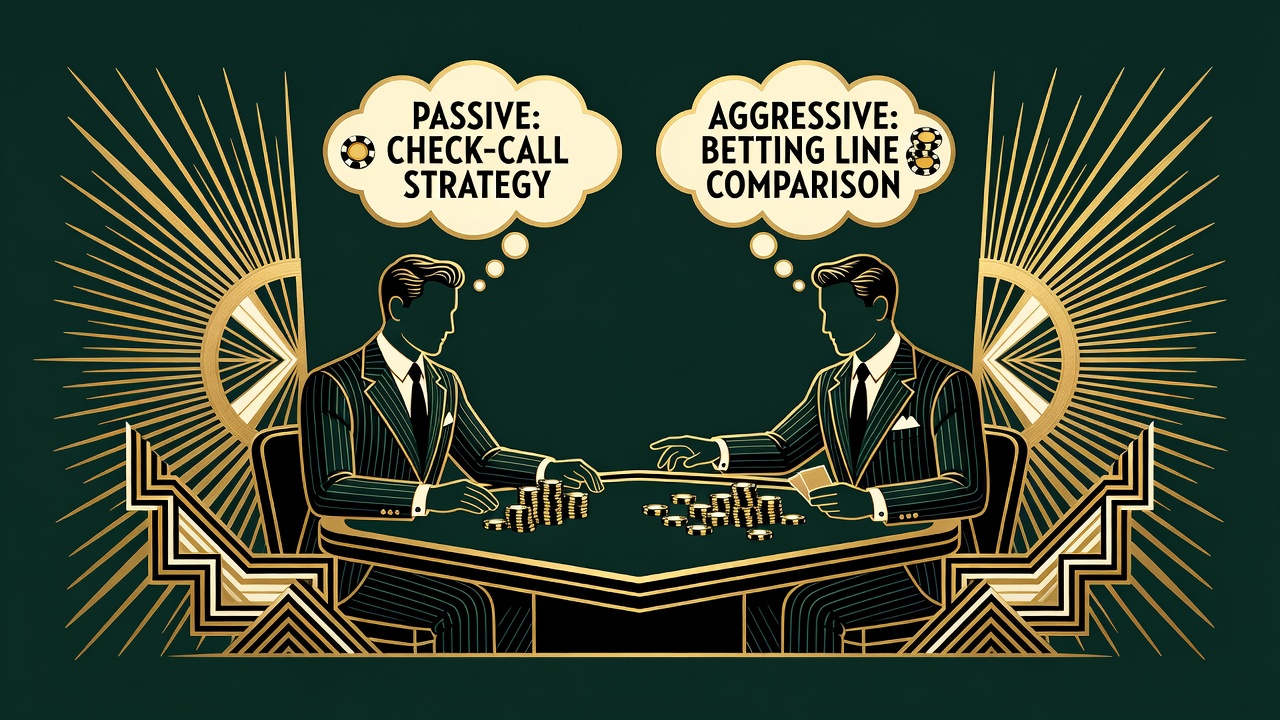
The city has a thousand poker rooms and in each one sits someone who learned poker from instructional videos. The videos tell them: if you have a strong hand, you bet. You raise. You build the pot. You take money. These people are half right. Half right gets you stuck in the parking lot at two in the morning trying to explain where the rent money went.
Check-calling is the move that separates the readers of poker theory from the players who understand
Check-calling is the move that separates the readers of poker theory from the players who understand table texture. It is passive on the surface. Underneath, it is a trap.
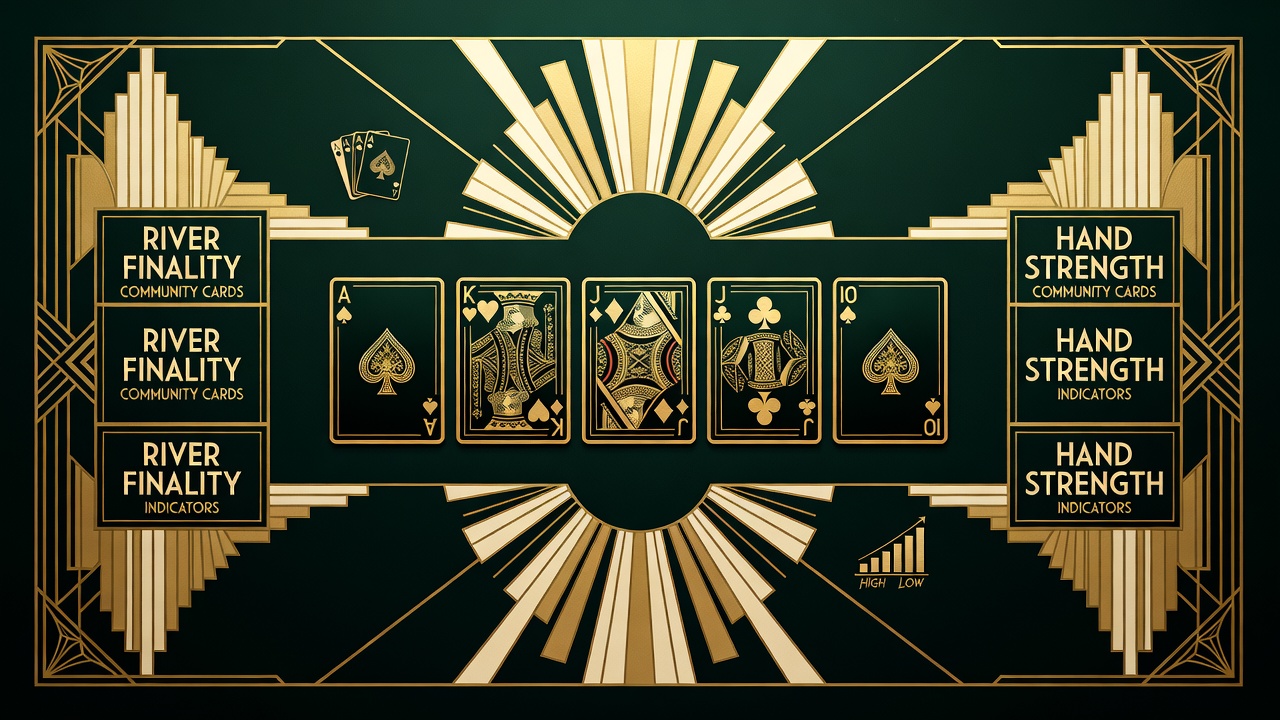
Scenario: you have flopped a full house (not the nuts, but close). The pot is 50 dollars. There are three players left. The button is aggressive and will bet if you show weakness. If you check and he bets, the small blind folds, the big blind folds, and you call. The pot grows to maybe 120 dollars by the river. Now, if you had bet instead of checked, what happens? The button sees your bet and decides you have something. Maybe he folds. Maybe he calls but does not bluff on subsequent streets. You have gotten one street of value instead of three.
Check-calling only works if you understand your opponent's range and your opponent's psychology. If the button is a straightforward player who only bets when he has cards, your check-call does nothing. He checks back and you get no value. If the button is a bluffer, your check is an invitation. He takes it. He bets with jack-ten. You call with your full house. He bluffs on the turn. You call again. He gives up on the river. You have now extracted three streets of value from nothing.
The trap is in the meta-game. A good player learns that weak-looking plays (checks, calls) can be strong. Then a good player assumes weak-looking plays are always strong and starts over-adjusting. They check-call with middle pair, thinking it is sophisticated. It is not. It is just leaking money.
The real move is this: check-call when you have a made hand that is strong but not nut, when you are in position against an aggressive player, and when you have reason to believe that player will bluff enough streets to generate profit. Check-call when the pot-odds math says you are getting paid more by letting him dig the hole himself than by pressuring him to fold.
In a casual game with drunk guys throwing money around, bet your strong hands. These people will call down anyway. In a serious game with competent players, you can use texture. You can let him make the mistake instead of making the mistake yourself. Position, hand strength, and opponent type. That is the whole sentence.
The young player at table seven has a full house and he checks. The villain bets. He calls. He has no read on the villain. He has no position analysis. He just learned this from a video. He is one street away from losing it all to a better hand. This is the thing about poker. Even the right move, made for the wrong reason, feels like winning until it is not.