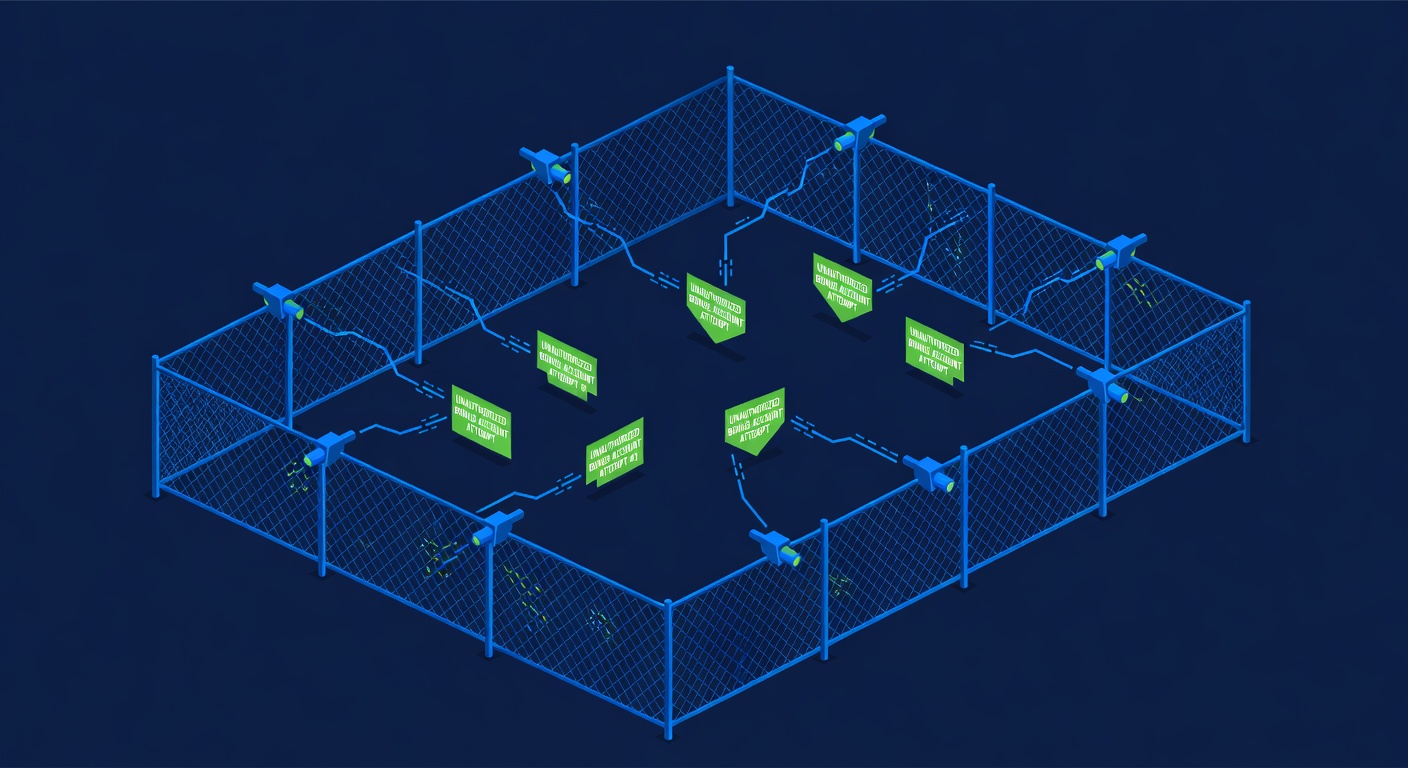
Detecting bonus abuse is harder than most operators admit. The visible mechanics are straightforward, but the underlying incentive structures are more complex than marketing departments want to acknowledge.
Every major operator monitors three dimensions simultaneously: temporal patterns, behavioral signatures, and financial outcomes. The temporal approach tracks velocity. A legitimate player might claim one welcome bonus, play for a week, then return to claim a deposit bonus thirty days later. An abuser claims three welcome bonuses in 48 hours across different browsers. This pattern alone triggers immediate suspension.
The behavioral signature is more sophisticated. Operators employ third-party analytics firms to build profiles of normal play. They measure session length, bet sizing, game selection, and win/loss volatility. When a new account deviates significantly from established norms for its cohort, it triggers escalated monitoring. The deviation threshold varies by operator and jurisdiction. DraftKings uses tighter thresholds than Stake because DraftKings operates under NJDGE oversight.
The Financial Component
Financial analysis compares deposits to withdrawals against expected outcomes. If you deposit 100 dollars, receive a 100-dollar bonus, and somehow cash out 250 dollars after fifteen minutes of play, the system flags this immediately. The algorithm calculates expected value based on game RTP percentages and flags accounts exceeding plausible variance bounds.
The integration of fraud detection with bonus abuse detection is where operators gain real advantage. They cross-reference your payment method, IP address, device fingerprint, and GPS location. A ring of bonus abusers often operates from the same location or shares financial infrastructure. The detection systems at Caesars Sports, for example, will flag related accounts even if they do not claim the same bonus, because the pattern of behavior clusters together.
Third-party services like MaxMind and GeoIP provide additional signals. If your account claims you are in London but your actual device GPS places you in Dublin, and a payment method from Dublin is used, that inconsistency itself is a red flag independent of bonus activity. These geolocation inconsistencies account for approximately 12 percent of caught bonus abuse rings according to industry reports.
How Operators Respond
Closed accounts are the most common response. Some operators issue warnings first, particularly if the abuse is minor. A warning might read: "We detected unusual bonus claiming patterns. Please contact support to verify your account." This gives the player a chance to explain themselves, though few explanations are credible. But systematic bonus abuse results in account closure, bonus forfeiture, and sometimes listing with shared industry blacklists.
The larger operators maintain databases through IHRSA (Illegal Internet Gambling Enforcement Act administration) and other industry consortiums. When you are closed for bonus abuse at one operator, your identifier gets shared. The next operator you try will be aware of your history. This creates a strong deterrent for organized rings.
The Pragmatic Play RNG testing and the third-party auditing firms also play a role. When operators submit games for certification, they document their fraud detection capabilities as part of the certification process. This becomes part of their licensing agreement with regulators like the UKGC and Malta Gaming Authority. The documentation includes specifics about how bonuses are monitored and how abuse is detected.
Detection Limitations
One advantage for players: detection is not perfect. Casual bonus abuse, where one account claims multiple bonuses over several months rather than days, is much harder to catch than coordinated rings. The false positive rate is kept artificially high to avoid losing legitimate players to over-aggressive detection. Operators estimate they catch roughly 60 to 80 percent of systematic abuse, but they accept this gap rather than over-police and alienate legitimate customers.