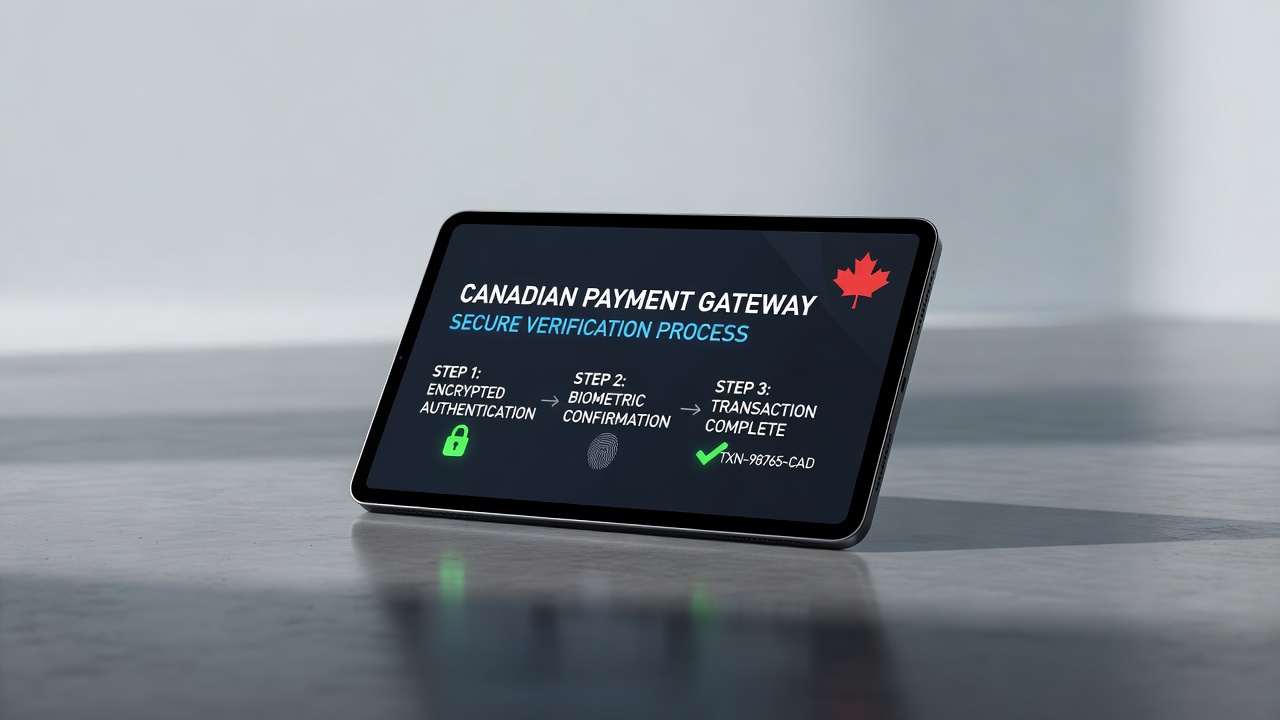
Google Pay functions as a digital intermediary between your bank account and the casino's payment processor. You authenticate through your phone, the payment is processed, and the funds arrive in minutes. One might ask: what has changed in the act of wagering when the friction of physical money has been removed?
Consider the ancient notion of risk, as explored by Aristotle and his successors
Consider the ancient notion of risk, as explored by Aristotle and his successors. Risk, in the classical sense, was a calculation of future outcomes weighted by probability. A merchant putting goods on a ship to distant ports was making a bet: he was trading present certainty (the goods are here) for future hope (I will be paid when they arrive). The bet required deliberation. The decision took time. Money was real. It was tangible.
Now consider Google Pay. The friction is gone. A finger presses a phone screen and the casino account is credited. The speed of the transaction obscures the nature of the decision. Has the bettor truly contemplated what they believe about the future, or have they simply executed a motion? The convenience of the payment method may have altered the quality of the decision itself.
One might ask: does the ease of funding change the bettor's relationship to risk? The evidence suggests it does. Players who encounter friction, who must write a check or wait for a bank transfer, report higher awareness of the money leaving their possession. Players who use one-click methods report lower emotional attachment to the same dollar amount. The payment technology is not neutral. It shapes the psychology of the bet.
Further: what does the bettor believe about probability when using such a payment method? If the casino can be funded instantly, can winnings be withdrawn instantly? The bettor may harbor an unconscious assumption of symmetry. In fact, most casinos make withdrawals deliberately slower than deposits. The friction is reintroduced at the exit. The bettor has already agreed to easy entry and does not notice the difficult exit until they need it.
And what of trust? Google Pay adds a layer of intermediation. The bettor trusts Google, trusts their bank, trusts the casino's processor. Multiple links in a chain. If one fails, where is recourse? The bettor may feel Google's presence as comfort, as verification. This is partly illusion. Google's presence does not verify the casino's solvency or honesty. It verifies only that the transaction routing works.
The wise bettor asks: why does the casino encourage easy entry? The answer reveals much about their intentions. If entry is easy, exit must be hard. If exit were equally easy, the casino would promote it equally. The asymmetry is instructive. It tells the bettor everything they need to know about whether the operator's incentives are aligned with their own.
Google Pay is a tool that reduces friction. Friction is what keeps you safe. Every casino wants you to deposit easily because easy deposits lead to easy losses. Understand what you are gaining and what you are losing by choosing convenience.