How It Works
You go to the casino. You click deposit. You type in your credit card number. You wait. Money appears in your account. The speed is the entire value proposition. No intermediaries. No email confirmations. Instant.
What's happening on the backend is that the casino is processing a credit card transaction. Your bank gets a notification that you just spent money at a casino. Some banks flag it immediately. Some don't care.
The Fraud Problem
Credit card deposits are the number one attack surface for casino fraud. Here's the mechanics: Someone gets your credit card number (data breach, skimming, social engineering, doesn't matter). They go to an online casino. They deposit funds using your card. The casino takes a 3-5 percent processing fee. The attacker now has cash in a casino account under a name that may or may not be you.
If the attacker clears the KYC check, they can withdraw. If they can't clear KYC, they play through the account and gradually lose the money, or they sell the account credentials to another operator. Either way, you are now the victim of fraud.
Your credit card company can do a chargeback. But by that time, the casino has either paid out the attacker or the account is cleared through play. Most chargebacks lose because the casino has logs showing a deposit transaction that came through a valid payment processor.
The Casino Defense
Reputable casinos combat this with AVS (Address Verification System) checks and CVV verification. The casino won't accept a deposit unless the billing address and CVV match. This doesn't eliminate fraud, but it reduces it by requiring the attacker to know more than just the card number.
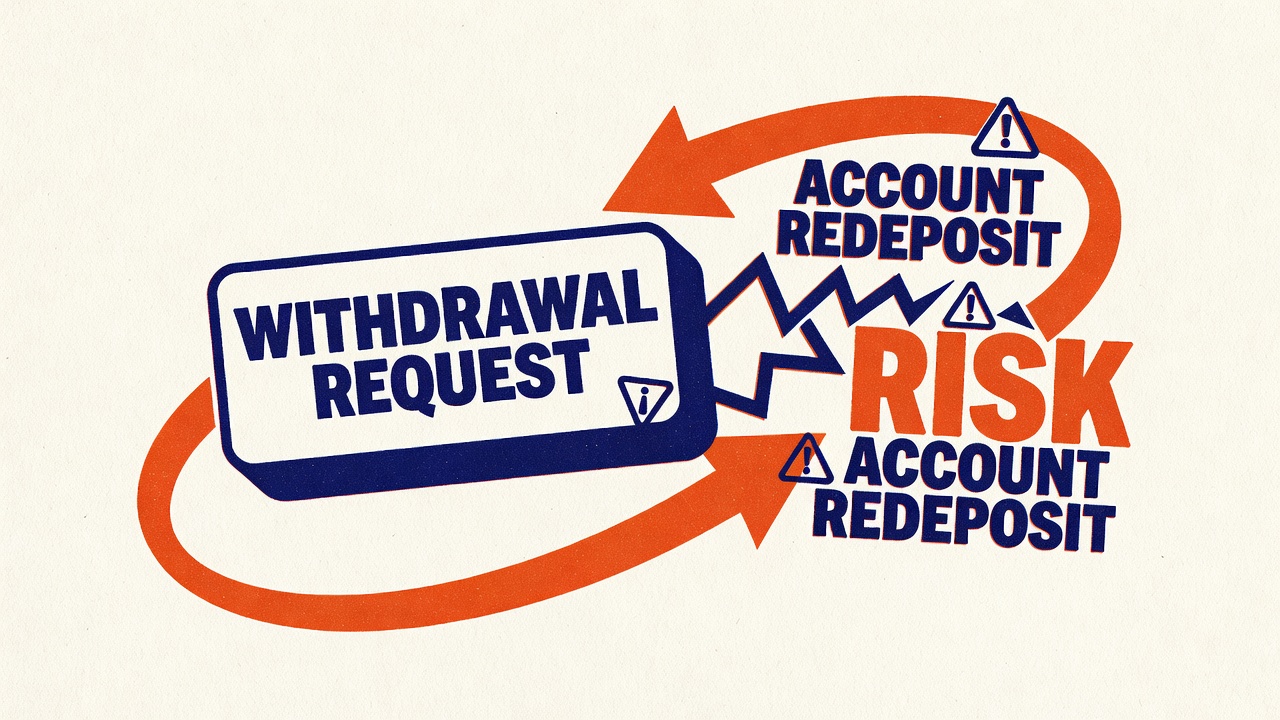
More advanced casinos do velocity checks. If a card is being used from five different IP addresses in three different countries over 24 hours, the casino will flag the account and pause withdrawals pending additional verification.
But here's the problem: legitimate players travel. Legitimate players use VPNs. Legitimate players share devices. Velocity checks catch fraud but also catch legitimate players.
The Player Reality
From your perspective, the advantages of credit card deposits are straightforward: instant funding, no new account required, straightforward dispute process if something goes wrong.
The disadvantages are serious: your casino activity is visible to your bank and your credit card statement, all your gambling is tied to a name and address that your credit card company can identify, and if your card is compromised, the attacker has direct access to an account in your name.
The Alternatives
Electronic wallets like Skrill and Neteller add a layer of separation. Your card deposits to the wallet. The wallet deposits to the casino. The casino never sees your real card details. Chargebacks become wallet-side problems, not casino-side problems.
Crypto addresses are pseudonymous by default. The casino can require identification for large withdrawals, but they don't have your name tied to your deposit address by default. This is why crypto is popular among players who want privacy.
Bank transfers are slow but secure. If you authorize a bank transfer, there's a clear trail and you're interacting with your actual bank, not a casino.
The Smart Move
If you use credit cards at online casinos, use them as intermediaries only. Deposit to a wallet first, wallet to casino second. Never give the casino your actual card number unless it's a casino you've used for years and trust.
Better: use crypto for deposits and credit card only for final withdrawals back to your actual account. The friction works in your favor.