Every online gambling site runs the same promotional playbook. Initial match offer. Deposit incentive. Spin credits. Repeat endlessly. But cryptocurrency casinos introduced something different a few years back: cashback. Not loss rebates. Direct compensation for activity.
Sounds magical. It isn't. Though it's not terrible either. Let me break down mechanics and discover when this actually beats traditional promotions.
What Refund Programs Actually Mean
Refunds represent money returned. Lose $100 gambling. The operator refunds $2-5. Perhaps 2-5 percent of your losses. Keep playing with that refunded amount. Or withdraw it (if wagering terms apply).
This differs fundamentally from sign-up bonuses. Only losses generate refunds. Bonuses are gifts. Refunds function like insurance. Operators favor this because it softens the sting of losing. 'Down $100, but got $3 back. Not so bad.' That $3 re-engages the player. They might wager more.
Conventional casinos rarely provide refunds because it signals their house advantage exceeds reality. A sign-up bonus communicates: 'Our games are fair. Take this gift.' A refund program says: 'You'll probably lose. Here's consolation.' The second message damages brand perception.
Crypto operators operate differently. Without traditional brand equity, they compete via novelty and honesty. Refunds became a competitive advantage.
Two Primary Variants
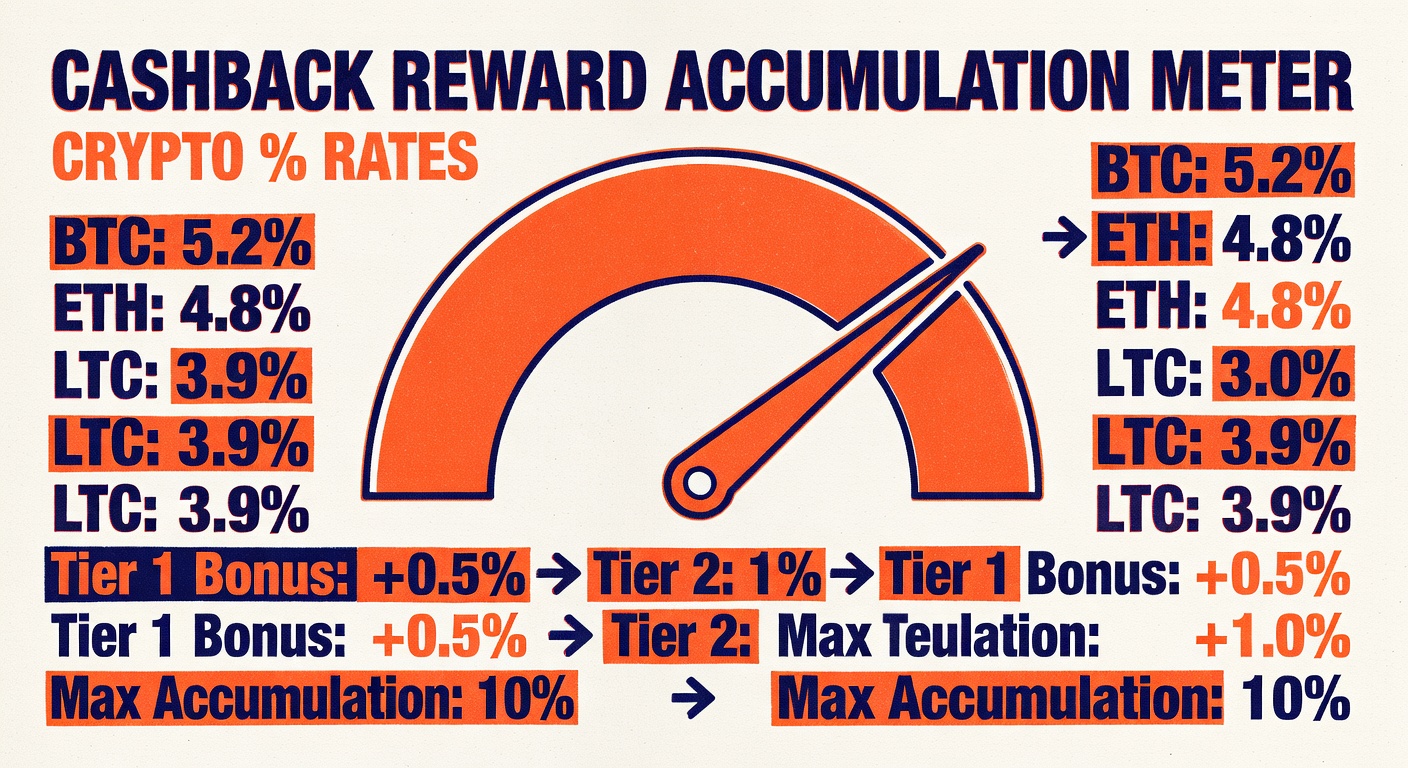
Fixed-percentage refunds: You receive identical percentages on all losses. Stake, for instance, delivers 5% cashback on net weekly losses. Lose $200 weekly? Every Sunday nets $10. That's fixed-percentage refunds.
Escalating refunds: Greater volumes unlock higher percentages. Lose $0-$100: 2%. Hit $100-$500: 3%. Reach $500-$2,000: 4%. Beyond that: 5%. More losses equal better refund rates.
Both formats exist. Fixed-percentage is simpler. Escalating incentivizes higher stakes.
Refunds Versus Sign-Up Offers
Here's the genuine comparison, since choice matters.
Sign-Up Bonus Example: Deposit $100, get $100 bonus. Balance: $200. Wagering requirement: 35-fold bonus ($3,500 total bets). At 98% RTP, you receive approximately $3,430 back. Hitting requirements with surplus stays positive. Risk: losses during wagering deplete your balance faster (more chips in play).
Refund Example: Deposit $100. No sign-up bonus. Play. Losses reach $100? Receive $5 (5% refund). Total wagering matches the bonus scenario at $3,500. Expected loss: $70 (2% house edge on $3,500). Accumulated refunds: $175 (5% of $3,500 losses). Net outcome: approximately $96.50 in red, not break-even.
Hmm, math seems off. Let me recalculate.
Sign-up: $100 deposit, $100 bonus, 35-multiple wager, 98% RTP. Wagering: $3,500. Return: ~$3,430. Keep the $100 bonus contribution. Result: roughly even or slightly ahead.
Refund at 5%: $100 deposit, zero bonus. Wager $3,500. Return: ~$3,430. Receive 5% refund on losses. Total losses: $3,500 minus $3,430 = $70. Refund: $70 * 0.05 = $3.50. Final tally: minus $96.50.
Sign-up bonuses soundly beat refunds in this example.
But here's nuance: sign-up bonuses have a trap. Meeting wagering requirements is mandatory. Go bust beforehand? Bonus vanishes entirely. Refunds lack wagering requirements. Stop whenever. Every loss gets tracked and refunded.
Situations Where Refunds Win
Refunds beat sign-up bonuses in particular scenarios.
You won't reach wagering targets. Deposit $100, play one session, go bust without hitting 35-multiple requirements? Welcome bonus disappears. Zero return. Refunds: immediate compensation on losses.
High-volume players. Regular play means steady refund generation. Accumulation compounds over time. A player wagering $100,000 monthly earns $5,000 refunds (5%). Compare: someone wagering that amount using sign-up bonuses gets one-time $100-200 bonus, nothing after. Refunds appear superior.
Combined offerings. Certain operators present modest sign-up bonuses alongside ongoing refunds. Initial bonus jumpstarts participation. Refunds maintain engagement. This mix outperforms single large one-time bonuses.
House Edge Remains Constant
Critical reality: refunds don't alter house advantage. A 2% house edge persists. Whether operators refund 5% or nothing, mathematics stay identical. Losing money remains expected.
Refunds just make losing feel more acceptable. 'Lost $100 monthly, recovered $5 back' feels superior to 'Lost $100 monthly.' Psychologically effective. Players return more often.
Operators profit because retention improves measurably. Regular refund recipients feel valued. They maintain activity. Players receiving single large sign-up bonuses then nothing feel forgotten. They migrate elsewhere.
Refunds in Crypto Markets
Cryptocurrency operators push refunds harder than traditional establishments. Crypto transactions process faster and cheaper. Operators instantly credit $3.50 to a player's BTC address. Traditional casinos processing $3.50 micro-refunds to thousands weekly face crushing payment infrastructure costs.
This financial advantage lets crypto operators offer aggressive refund percentages (5% standard, sometimes 10%) while preserving profitability.
Strategic Approach
Deciding between sign-up bonuses and refunds:
Substantial sign-up bonus with strong confidence you'll hit requirements? Take it.
Minimal sign-up incentive or demanding wagering terms, yet the operator offers 5%+ ongoing refunds? Skip the bonus, play for refunds instead. Small consistent refunds might accumulate beyond sign-up value.
Never pursue losses chasing refund targets. Down $500 hunting $25 refunds? You're digging deeper. Refunds compensate completed play, not opportunities for additional play.
House advantage prevails. Refunds represent decoration upon that advantage. But decoration yielding modest returns surpasses nothing.
Refund structures don't overcome house advantage. They simply reduce losing's emotional sting.
Use accordingly.