Right then. Hold'em is simple. You get two cards. Five cards come on the board. You make the best five-card hand from the seven available. That's it. Everything else is just wagering and psychology.
You're sat at a table with six to nine others. Dealer button moves clockwise. Small blind is next, big blind after that. Small blind puts in half a bet. Big blind puts in a full bet (call it one dollar). This happens before you look at your cards. It's forced money meant to get the ball rolling.
The Action Flow
Dealer gives everyone two cards face down (yours are secret; nobody else sees them). First to act is small blind. They can fold (give up, forfeit the blind), call (match the big blind), or raise (put in more). Goes round the table. Everyone either folds, calls, or raises until everyone remaining has matched the highest bet.
Then the dealer burns a card (removes it from play) and lays three cards face up on the board. This is the flop. Now there's another round of betting. Someone bets, everyone either folds, calls, or raises.
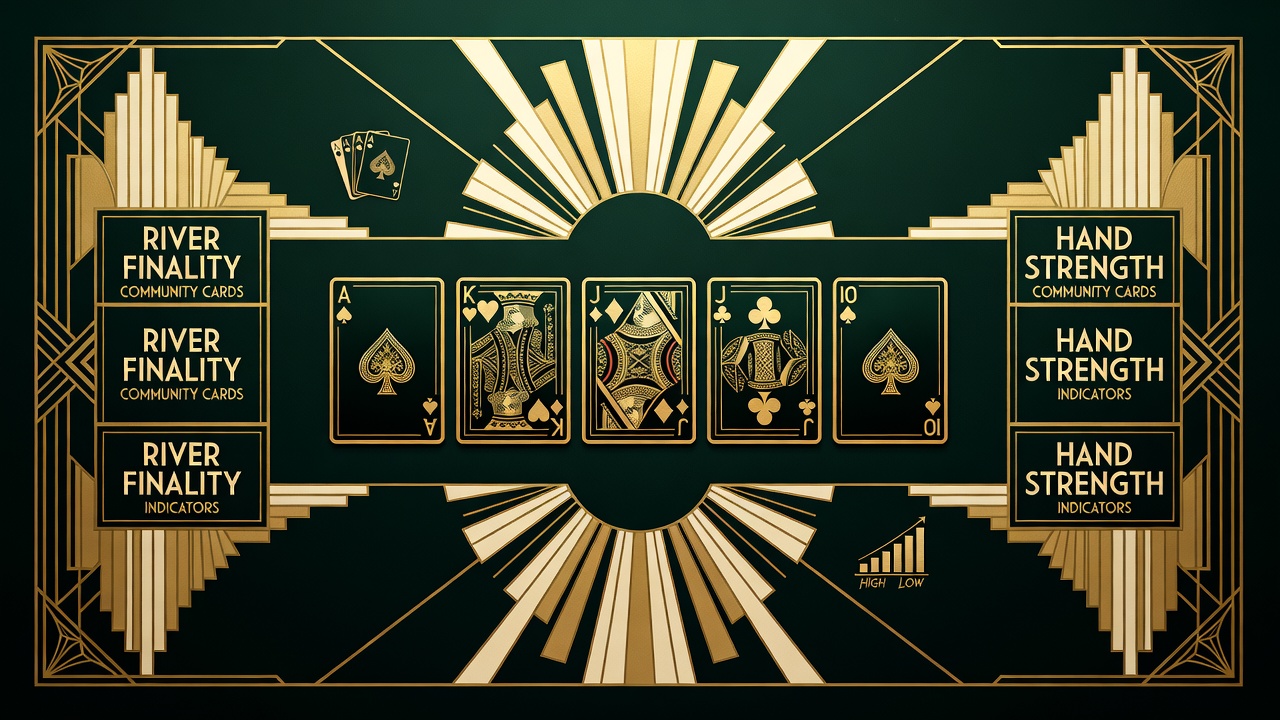
Then the dealer lays a fourth card (the turn). Another betting round. Then a fifth card (the river). Final betting round. Now everyone remaining shows their hand. Best hand wins the pot.
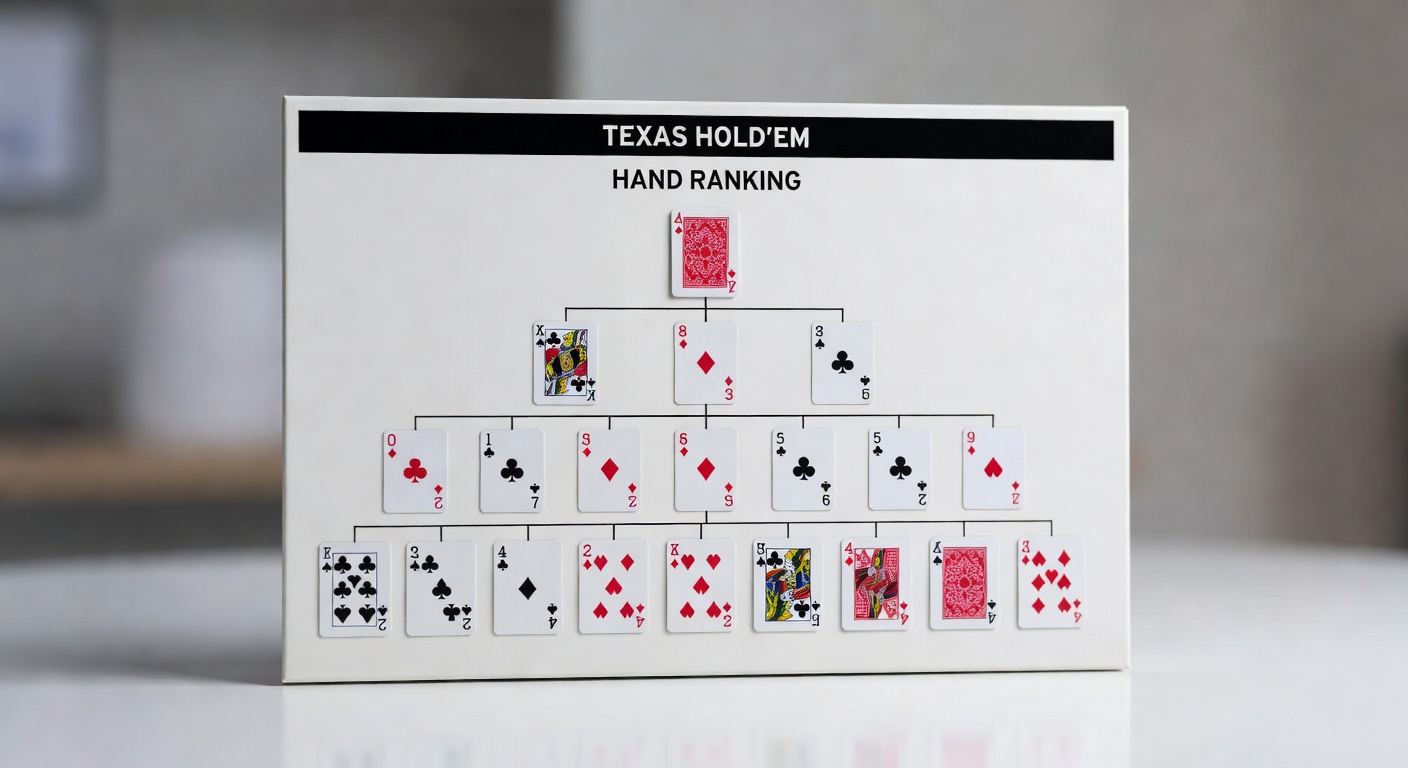
The Hand Ranks
High card (nothing matches). Pair (two cards of the same rank). Two pair. Three of a kind. Straight (five cards in sequence). Flush (five cards of same suit). Full house (three of a kind plus a pair). Four of a kind. Straight flush. Royal flush (the absolute best: ace-king-queen-jack-ten all same suit).
That's it. Royal flush beats everything. Straight flush is next. If nobody has any of these things, you compare high cards until someone has a better combination.
The Betting Rules
In limit hold'em, bets are fixed. You can bet one dollar on the early streets, then two dollars on the later streets. In no-limit, you can bet any amount, up to your full stack. No-limit is what the casinos play. It's more exciting and loses money faster.
An all-in is when you bet your entire remaining stack. If you win that hand, you take the pot. If you lose, you're done playing. If multiple people go all-in, there are side pots, but don't worry about that your first night.
The Position Concept
Position is everything. You want to play more hands when you're near the button (making decisions late) and fewer hands when you're near the blinds (making decisions early). Why? Because late position, you see what everyone else does before you decide. Early position, you're flying blind.
This is the hardest concept to learn because it's not visible. The cards are the same everywhere. But the information you have is different. That information is worth real money.
The First Session Reality
You'll play for four hours. You'll lose money (probably). You'll think everyone's better than they are. You'll fold good hands because you got scared. You'll play bad hands because you got bored. All of this is normal.
Fold more than you play. If you play tighter than everyone else (fold more), you'll win a higher percentage of the pots you enter. That's the whole game at the beginning: folding bad hands and playing good hands aggressively.
What You're Actually Learning
Texas Hold'em is simple rules, complex strategy. The rules are: two cards, five cards on board, make best hand. Learn those. Everything after that is taste and discipline. You can play a lifetime and still learn new things about position and aggression and reading opponents.
But your first night, just learn the hand rankings and the betting order. That's sufficient. The rest comes later, when you've lost enough money that you start paying attention.