I buy one lottery ticket every Thursday. It costs two dollars. The experience it provides, over seventy-two hours, is worth something to me. I am purchasing a controlled daydream about what I would do with 300 million dollars. The ticket costs two dollars; the scenario costs nothing. This is a trade I make knowingly and I do not regret it.
The conversion to crypto-gambling is similar in structure and utterly different in scale
The conversion to crypto-gambling is similar in structure and utterly different in scale. You start with dollars, currency tied to a nation-state and backed by central-bank policy. You convert those dollars to stablecoins (USDC, USDT) via an on-ramp service like Kraken or Coinbase. You move the stablecoins to a gambling platform. You place bets. If you win, you convert back. If you lose, the money is gone and the conversion history remains on a public ledger.
Why do people do this? Partly because crypto-casinos exist in jurisdictions where fiat payment processing is restricted (Curaçao, Costa Rica). Partly because crypto transactions are irreversible; once you send the stablecoin, the casino has it and there is no chargeback option (which the casino loves). Partly because the process feels newer and more empowering than entering a credit card number. And partly because there is something psychologically different about money in the abstract (a number on a screen) versus money in your hand.
The on-ramp itself is a tax event in most jurisdictions. The IRS treats the conversion of dollars to crypto as a sale, which generates a taxable gain or loss. Few people account for this. A gambler who puts 1000 dollars into crypto, plays it down to 200 dollars, then converts back has a loss for tax purposes. But the path the money took was dollars to crypto (taxable event), crypto to gambling (loss), gambling to crypto (taxable event again potentially), crypto back to dollars (another taxable event). Jurisdictions are unclear on whether this should all collapse into one transaction or be treated as multiple trades. Most people just ignore it and hope they do not get audited.
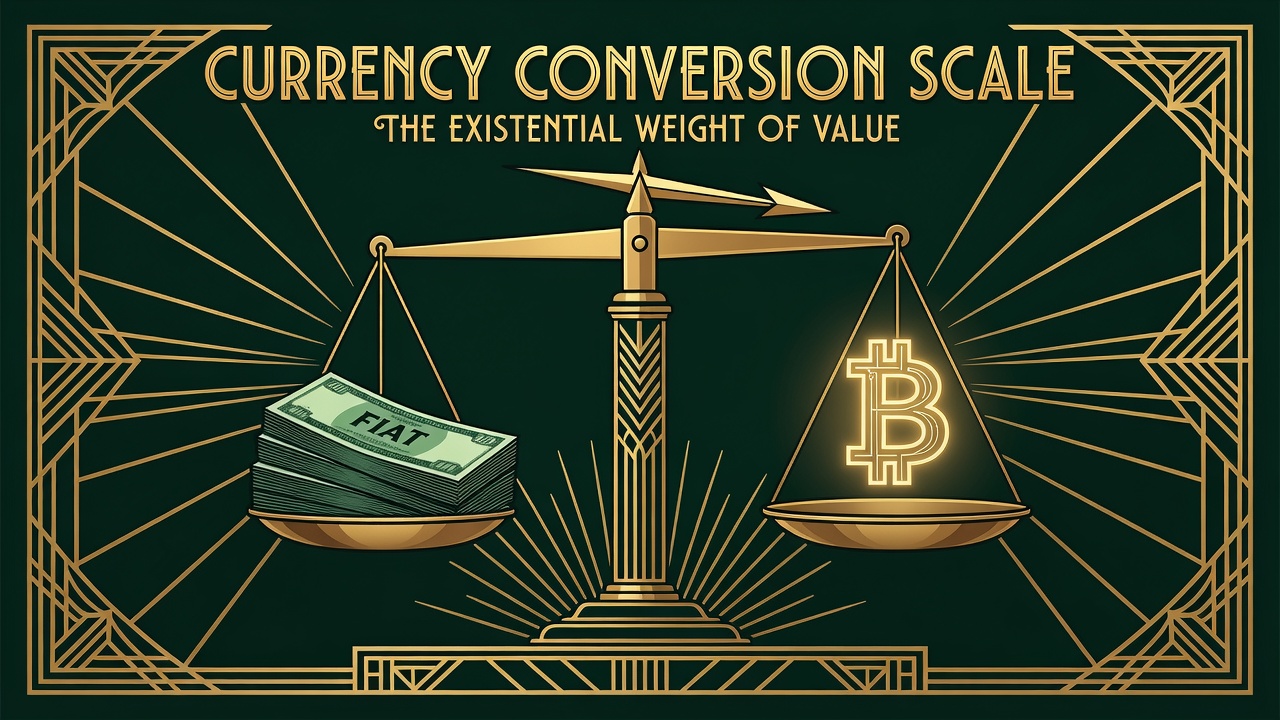
There is something philosophically interesting happening in the on-ramp process. Fiat currency is the abstract agreement of a nation that this piece of paper has value because the government says it does. Cryptocurrency is an abstract agreement that this code string has value because the market says it does. At the moment you convert between the two, you are making a statement about which abstraction you trust more in that moment. Most of the time, most people choose fiat because it has legal backing and stability. But when playing with money they are already willing to lose, some people choose crypto because it feels more like play money. It has less gravity. Less consequence.
The irony is that crypto adds friction and risk. The conversion costs fees (usually 1-5 percent). The deposits and withdrawals take time. The casino may be less regulated in crypto space, so recovery if something goes wrong is even harder. And yet the on-ramp exists, and it is growing, because the psychological distance between dollars and crypto tokens makes some people feel like they are gambling with someone else's money even when it is their own.
If you are going to gamble with crypto, understand that you have already made a decision about what money means to you at that moment. You have decided it is abstract enough to risk. Most people make that decision once. Some people make it repeatedly until they run out of abstractions to convert.