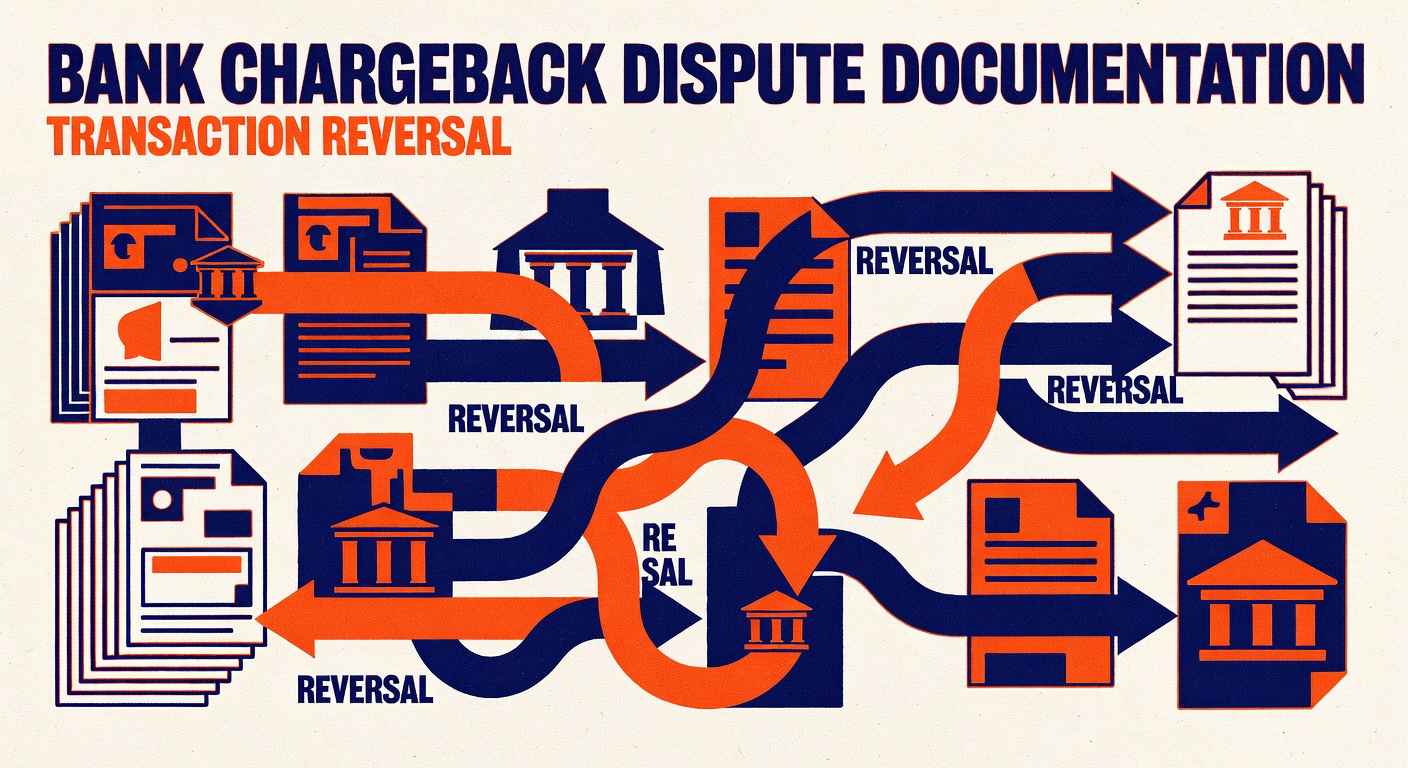
A chargeback is a consumer protection mechanism built into credit and debit card systems. You make a purchase. You dispute the charge. You call your bank and say the charge is unauthorized. The bank investigates. If they believe you, they reverse the charge, you get your money back, and the merchant loses.
For online gambling, chargebacks are a big problem. A player deposits 500 dollars at DraftKings. They lose it. They're angry. They call their bank and claim the charge was fraudulent ("I didn't authorize this deposit"). The bank reverses it. DraftKings loses 500 dollars. The player keeps the account with their winnings (if they had any) or just walks away with a clean slate.
This should not work, but it does sometimes because banks have limited oversight of gambling charges. A charge from "GAMBLINGSITE" looks suspicious to a consumer unfamiliar with their own behavior. The bank credits the chargeback initially (before investigation). The merchant must fight to win the reversal back.
How Casinos Respond
Casinos now require KYC (Know Your Customer) verification before withdrawal. You must submit ID, proof of address, and a selfie. The casino matches your identity to the payment method. If you disputed the charge using the same name as your account, KYC makes it impossible to claim fraud.
The KYC requirement essentially eliminates chargebacks. You can't credibly claim fraudulent charge when you've provided ID and played the account. But KYC also creates privacy concerns and onboarding friction.
Bet365 and DraftKings use both KYC and chargeback insurance. If a player disputes a charge, the casino has documentation (KYC files, play history, withdrawal requests) proving the charge was legitimate. They dispute the chargeback with the bank and usually win.
The Fraud Prevention Side
Casinos track chargeback patterns. A player who always disputes charges after losing gets flagged. Multiple chargebacks from the same account result in closure and blacklisting. The casinos share lists of chronic chargeback players across operators. They ban you from the ecosystem.
CC fraud (where a criminal steals someone's card and gambles) is a different problem. The casinos flag unusual patterns (new account, instant deposits, unusual betting patterns, withdrawal immediately after deposit). Accounts flagged as fraudulent have funds held pending investigation.
The Player's Problem
Chargebacks create asymmetric incentives. If you win, you're unlikely to chargeback. If you lose, you might be tempted. The casino knows this. They structure deposits to be harder to chargeback. Crypto deposits can't be charged back (they're irreversible). Bank transfer deposits are harder to chargeback than debit cards. The casino pushes players toward irreversible payment methods.
From a player perspective, this is manipulative. Casinos want you to use payment methods you can't reverse if you lose. But chargebacks are abused too (players falsely claiming fraud to recover losses). The equilibrium reflects the asymmetry of power: casinos have legal and technical resources. Players have the chargeback mechanism.
The Legitimate Case
Chargebacks exist for a reason. If your card is stolen and someone gambles with it, you can dispute the charges. The chargeback mechanism protects you. The problem is determining whether a charge is legitimate (you authorized it and lost) or fraudulent (someone else used your card).
KYC helps here. A thief won't have your ID. So KYC-verified deposits are almost certainly legitimate. Unverified accounts are riskier.
The Regulatory View
The UKGC requires operators to have fraud prevention systems and dispute resolution procedures. The MGA requires KYC verification and chargeback documentation. These requirements protect both players (from their own chargebacks being exploited by casinos) and casinos (from players falsely claiming fraud).
Crypto casinos have an advantage here: they can't be charged back. Stake, for example, doesn't worry about chargebacks because LTC transfers are irreversible. But this also means players can't use chargebacks to dispute potentially fraudulent deposits (though this is rare when crypto is involved).