An AML (Anti-Money Laundering) compliance officer at a major sportsbook runs flagged transactions daily. A player makes ten 4,000-dollar deposits in a single week, followed by a 40,000-dollar withdrawal. This is structuring: making deposits just below the 10,000-dollar reportable threshold to avoid AML reporting requirements.
Under the Bank Secrecy Act, transactions over 10,000 dollars trigger Currency Transaction Reports (CTRs). A single 10,000-dollar deposit: one CTR. Ten 4,000-dollar deposits: ten separate transactions, no CTRs triggered. But the pattern is flagged anyway because the pattern itself is suspicious.
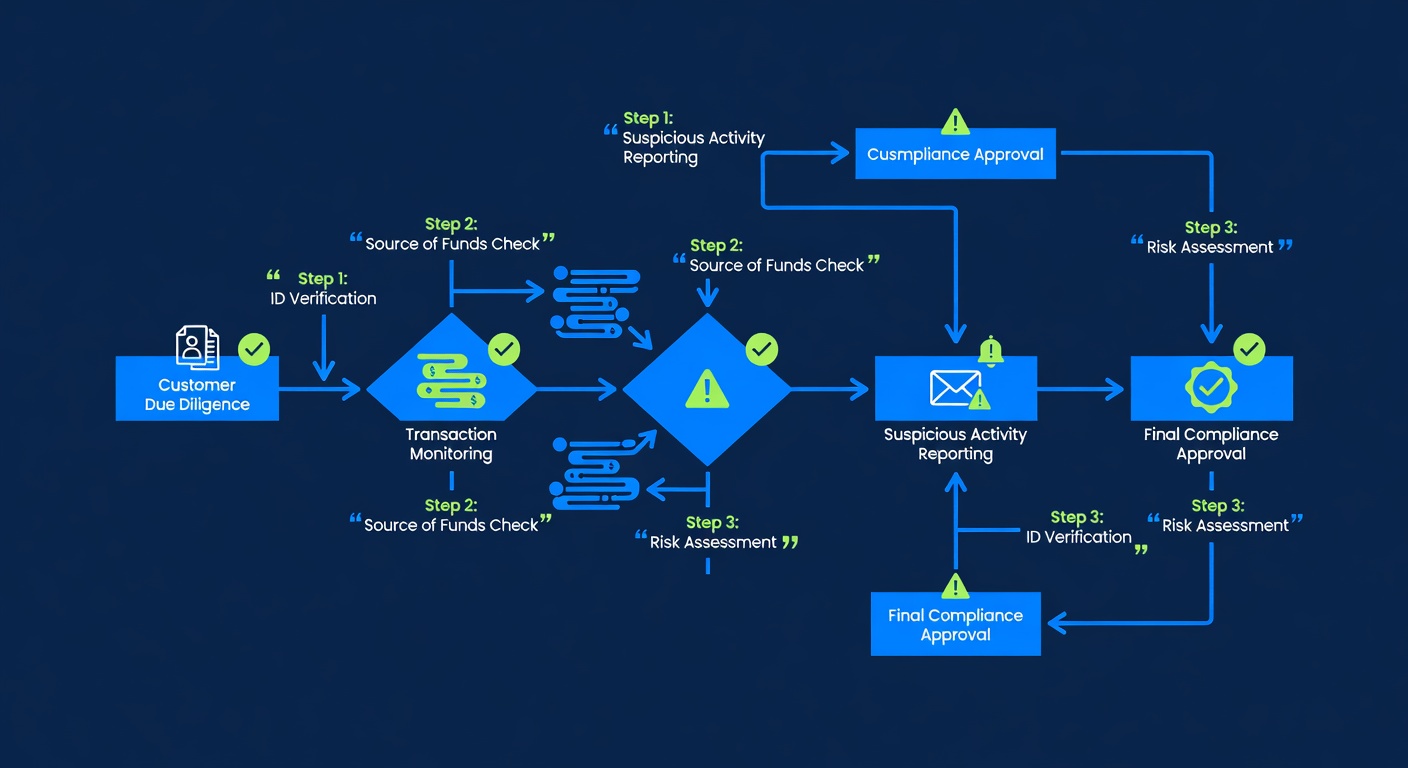
The casino is required by law to file a Suspicious Activity Report (SAR) when they see structuring. This requires explaining to federal authorities: "This account made deposits in a pattern designed to avoid reporting." The account gets frozen pending investigation.
The Player's Frustration
A player doesn't understand why. They had legitimate money. They were making deposits and playing. The casino locks their account and refuses to explain why. From the player's perspective, the casino is being arbitrary. From the AML perspective, the pattern is definitional structuring.
The player appeals. The AML team reviews the transaction history and income documentation. If the player can prove legitimate source of funds (employment records, bank statements, investment income), the account is unfrozen. If not, the money is forfeited.
What Triggers AML
Beyond structuring, casinos flag:
- Rapid cycling: deposits and withdrawals in the same hour (suggests money laundering through the account)
- Geographic mismatch: account registered in Nevada, all deposits from overseas IP addresses
- Unusual amounts: a player typically betting 50 dollars suddenly depositing 100,000 dollars
- Round numbers: all deposits in exact multiples of 5,000 (less natural than 4,237 or 5,891)
- VPN/proxy use: depositing through anonymized IP addresses
None of these are proof of money laundering. But they're signals. The AML team investigates.
The False Positive Rate
Most flagged accounts are not money laundering. A legitimate player using a VPN (for privacy or security) trips the geographic-mismatch filter. A person who just received a bonus at work makes a large deposit, triggering the "unusual amount" flag. A retiree playing with savings makes round-number deposits, hitting the "round numbers" filter.
The casinos have to investigate all flags. This takes time. Accounts get frozen. Players get angry. Some accounts are unfrozen after review. Some are closed permanently (the money is forfeited if the casino can't determine source).
The Regulatory Pressure
Regulators fine casinos heavily for AML violations. Bet365 was fined 17 million pounds by the UKGC in 2023 for inadequate AML controls. The company had processed transactions from high-risk jurisdictions without proper verification. The fine creates incentive to over-flag.
A casino that flags too aggressively loses players (accounts frozen, money held, frustration drives them elsewhere). A casino that doesn't flag enough faces regulatory fines and potential licensing revocation. The equilibrium is uncomfortable for players but necessary for compliance.
The Player's Options
If your account is flagged, you can:
- Provide documentation of income source (tax returns, bank statements, employment records)
- Explain the deposit pattern (you received a bonus, made a large deposit)
- Request manual review (an AML analyst looks at the flags and decides)
- Appeal to the casino's AML team (they may escalate to regulators)
- Accept forfeiture (sometimes faster than fighting)
Most casinos process AML appeals within 30 days if documentation is provided. Some take longer. Some freeze money indefinitely.
The Structural Reality
AML rules were designed to stop drug trafficking and terrorism financing. They've become a net cast so wide that legitimate players get caught. A person moving 50,000 dollars to play in a tournament has to document where the money came from. A person buying a used car doesn't. The asymmetry of financial regulation means gambling gets scrutinized more than most legitimate activities.
This is by design. Casinos are regulated as money-transmission sources. The government has justified interest in knowing money flows. Players caught in the net should expect delays and document everything.